Snow can sit on a flat roof in Baraboo for weeks. Then it melts, and all that water needs a way off. A TPO roof can handle this job well. But it needs every part of the system working together.
Most people hear the same things about TPO. It is often white. It is lightweight. It may help cut cooling costs. Those points describe the material itself. This post covers something else: how the roof is actually built. The same building basics apply to TPO roofing in La Crosse, WI and Baraboo, even though each project has different requirements.
Have a question about your own roof? Call Golden Eagle Roofing at 608-633-6719. Or keep reading to learn what goes into a well-built TPO roof.
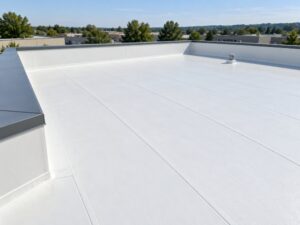
Material Benefits vs. Installation Details
It helps to keep two ideas apart.
Material benefits come from the product. Light-colored TPO reflects sunlight, and roofing-grade membranes are designed for flexibility and weather exposure. Chemical resistance varies by product and the substance involved, so specific exposures need to be checked with the manufacturer.
Installation details come from the roofer. They include seam welds, fastener spacing, flashing, and drainage. A great sheet can still leak if these are done poorly.
So when you compare bids, do not stop at the brand name. Ask how each roofer will build the roof. That answer tells you much more.
Choosing the Right TPO Membrane
TPO comes in different thicknesses. Common sizes include 45, 60, and 80 mil. A thicker sheet generally provides more membrane material, but product construction and thickness above the reinforcing layer also matter. A 60-mil membrane is a common middle option. The right choice depends on the roof assembly, service traffic, exposure, budget, and warranty requirements.
Typical field membranes contain a fabric layer called a scrim. The scrim adds strength and supports performance in the specified attachment system. Color matters too. White is the most common choice, while tan and gray are also available. White products generally reflect more sunlight, though actual reflectivity depends on the selected product and its condition.
Seams: Where Leaks Can Start
TPO sheets come in rolls. Where two sheets overlap, there is a seam. Poorly made seams can let water in. Standard TPO field seams are welded with hot air rather than joined with seam tape or adhesive. Automatic and hand-held welders fuse the overlapping surfaces into a watertight joint.
Test welds should be made and evaluated according to the membrane manufacturer’s instructions before production welding and when conditions change. After cooling, finished seams should be checked with a suitable probe to identify gaps or weak welds. Defects need correction using the manufacturer’s repair procedures.
Cold days in Wisconsin change welding conditions. Heat, speed, surface preparation, and test welds must suit the material and weather. This is a skill, not a step to skip.
How the Membrane Is Attached
The sheet must stay on the roof in strong wind. There are three common ways to hold it down. If you are new to this material, our guide, What is TPO Roofing?, explains the basics first.
- Mechanically fastened. Screws and plates secure the membrane to a suitable roof deck. In a common arrangement, fasteners sit along the sheet edge, covered by the next sheet’s welded overlap. This method can offer installation and cost advantages.
- Fully adhered. The sheet is bonded to approved insulation, cover board, or another suitable substrate. Adhesive and substrate attachment must meet the assembly requirements. Adhesives have application limits, so weather matters.
- Induction welded. Special coated plates are fastened beneath the membrane. An induction tool bonds the membrane to those plates without puncturing it at the plate locations.
Roof corners and edges often experience higher wind uplift. Attachment in those zones must follow the specified design rather than a single fastener pattern used everywhere. Polyiso insulation is common beneath TPO, and a suitable cover board can provide additional support and protection. Wind resistance belongs to the full roof assembly, including the deck, insulation attachment, membrane, and perimeter details.
Penetrations: Pipes, Vents, and Rooftop Units
Anything that passes through the roof is a penetration. Think pipes, vents, drains, and HVAC units. Each opening needs a compatible waterproof detail. Round pipes can receive factory-made TPO boots welded to the field membrane, with the top finished according to the manufacturer’s detail.
Irregular shapes may need approved field-formed flashing. Roofers use compatible flashing materials to fit corners and tight spaces. Rooftop units sit on raised curbs, with membrane flashing extending up the sides and properly terminated at the top. Corners and transitions need the specified welded details and accessories.
Sealant pockets, sometimes called pitch pans, are used for certain penetrations. Their filler needs inspection and maintenance. Where practical, a compatible boot or curb detail can reduce reliance on exposed sealant.
Drainage Built for Wisconsin Weather
Flat roofs still need a drainage plan. Persistent ponding adds weight and can contribute to roof problems. Tapered insulation can create slope toward drains when the existing structure does not provide enough. Crickets help divert water around walls and rooftop units.
Water leaves the roof through interior drains, scuppers, or gutters. In Baraboo, the drainage design needs to account for rain and melting snow, including the risk of blocked outlets. Drainage should be assessed during project planning. If the old roof held water, the proposal should explain how that condition will be addressed.
Questions to Ask Before You Hire
Before you sign, ask your roofer these simple questions:
- What membrane thickness will you use?
- Will the roof be fastened, adhered, or induction welded?
- How will you test the seams?
- How will you flash each pipe and unit?
- Where does water go, and will any spots still pond?
- What warranty comes with the work?
Clear answers help you compare proposals. Ask for clarification when a quote leaves important details vague.

Get TPO Roofing in Baraboo, WI
A TPO roof depends on how the full system is built. Strong seams, the right attachment, sound flashing, and effective drainage make the difference.
Planning TPO roofing in Baraboo, WI? Contact Golden Eagle Roofing at 608-633-6719 to discuss your roof and request a quote. The proposed scope should identify the membrane, attachment, flashing, drainage work, and any inspections or testing included.
Frequently Asked Questions
1. How long does a TPO roof last in Baraboo, WI?
A TPO roof can provide decades of service, but there is no single lifespan for every system. Product selection, installation, weather exposure, drainage, and maintenance all matter. Regular inspections help identify repair needs before they grow.
2. How much does TPO roofing cost in Baraboo, WI?
Cost depends on roof size, membrane thickness, insulation, and attachment method. Old roof removal, deck repairs, and drainage changes also affect the price. A roof assessment helps establish the scope for a written quote.
3. Can TPO roofing be installed in cold weather?
Yes, when conditions meet the selected system’s requirements. Welding settings and test welds must suit the weather and material. Adhesives, sealants, and other components have their own application limits, which can affect scheduling.
4. What thickness of TPO is best for Wisconsin?
There is no single best thickness for every Wisconsin roof. A 60-mil membrane is a common middle option, while thicker products may suit additional durability or warranty goals. The full assembly, service traffic, walkway protection, and budget should guide the choice.
5. Can TPO be installed over an existing roof?
Sometimes. Suitability depends on roof layers, moisture, deck condition, structural capacity, product compatibility, and applicable requirements. Wet or damaged materials must be addressed before covering them. An assessment may require testing to confirm hidden conditions.
6. Why does my flat roof hold water after rain or snowmelt?
Ponding can result from blocked drains, inadequate slope, low spots, or structural movement. Tapered insulation and crickets can help where appropriate, but the cause needs assessment first. Roof replacement is an opportunity to address existing drainage problems.