Is your flat or low-slope roof getting old? You may not need a full tear-off yet. A silicone roof coating in Holmen, WI can help restore weather protection and add years of use. But it only works well on the right roof, with the right prep.
A roof assessment helps determine whether silicone is a good fit. For metal buildings, metal roof restoration in Holmen, WI may include repairs and a compatible coating system. Contact Golden Eagle Roofing at (608) 633-6719 to discuss your roof and the available options.
What Is a Silicone Roof Coating?
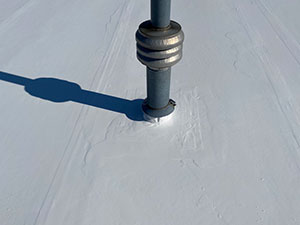
A silicone roof coating is a thick liquid applied by spray, roller, or other manufacturer-approved methods. It cures into a continuous, flexible protective layer. Seams, penetrations, and other details still need proper repairs and treatment.
Silicone holds up well in strong sun and stays flexible in cold weather. That matters in Holmen, where roofs face snow and freezing conditions. Some products also offer resistance to biological growth, but dirt and surface growth can still require cleaning.
You will see silicone coatings on shops, warehouses, schools, and other commercial buildings. They can also be used on suitable residential flat, low-slope, or metal roofs when the selected system is approved for that application.
Will Silicone Work on Your Roof?
Not every roof is a good match. Silicone coating systems are available for many surfaces, but compatibility and preparation requirements depend on the specific product.
Potentially suitable surfaces: Metal, EPDM rubber, TPO, PVC, spray foam, modified bitumen, and built-up roofs, provided the coating manufacturer approves the substrate and its condition.
Roofs that need extra care:
- Asphalt-based roofs: May need a compatible bleed-blocking primer to reduce staining.
- Gravel roofs: Need an assessment of the surfacing and underlying roof. Loose gravel removal alone does not establish suitability.
- Old coated roofs: Need the existing coating identified and compatibility checked. Recoating silicone requires a product and preparation method approved for that surface.
- Some single-ply roofs: May need special cleaning, primer, or other preparation for adhesion.
An adhesion test may be required to confirm that the proposed coating system bonds properly to the prepared surface.
A coating is not right for every roof. It cannot repair rotten decking, and wet or damaged underlying materials must be addressed before coating.
Repairs Come Before the Coating
A coating is not a substitute for fixing major problems. Necessary repairs come first.
Depending on the roof, these may include:
- Replacing wet insulation and other damaged materials
- Repairing or replacing loose or deteriorated metal panels
- Correcting loose or damaged fasteners
- Repairing cracks, splits, and open seams
- Repairing flashing around vents and edges
A moisture survey or other testing may also be needed. Wet materials can hide beneath a roof that looks sound from above. Covering them with coating leaves the underlying problem unresolved.
How the Roof Is Prepared

Good prep is essential to a lasting job. Poor preparation can cause coatings to lose adhesion.
- Clean: Remove dirt, chalky residue, biological growth, and loose material using methods approved for the roof and coating system.
- Dry: Confirm that the surface meets the product’s dryness requirements before application.
- Treat rust: Prepare surface corrosion as specified. Severely deteriorated metal may need replacement.
- Prime: Apply a compatible primer where required.
- Detail: Treat seams, fasteners, penetrations, and other details with the specified sealant or reinforcement system.
How Silicone Roof Coating Is Applied
Once the roof is ready, the coating is applied according to the manufacturer’s requirements for weather, coverage, thickness, and cure time.
- Weather: Temperature, surface conditions, and the forecast must fall within the product’s application limits. Rain, dew, or condensation can affect application and curing. Suitable weather windows vary throughout the year.
- Thickness: Coating thickness is measured in mils. The specified coverage and dry-film thickness depend on the selected system. Thickness checks during application help confirm proper coverage; extra thickness alone does not establish warranty eligibility.
- Layers: Some systems use one coat, while others require multiple coats. Follow the selected product’s instructions.
Small to mid-size projects may take a few days, including preparation. Roof size, repairs, drying, curing, and weather can extend the schedule.
Silicone is one option among roof coatings in Holmen, WI. Acrylic and other coating systems have different strengths and limitations. Compare compatibility, drainage requirements, maintenance, and warranty terms before choosing.
What About Ponding Water?
Ponding water generally means water that remains on a roof about two days after rain. Many silicone products tolerate standing water better than some other coating types, which is one reason they are considered for flat roofs.
But several limits matter:
- A coating does not fix poor drainage. Water can still collect in low spots.
- Standing water collects dirt, which can reduce reflectivity.
- Accumulated water adds weight to the roof.
- Product and warranty terms may place conditions on ponding-water exposure.
Persistent ponding needs an assessment of drains, slope, and the underlying roof. Those problems may require correction before coating.
Will It Lower Energy Bills?
A white silicone coating reflects sunlight and can keep the roof surface cooler on hot days. That may reduce cooling demand.
Savings depend on insulation, building use, HVAC operation, climate, and how clean the roof stays. In Holmen’s heating-dominated climate, annual energy effects need to account for winter as well as summer. A reflective coating does not guarantee a particular reduction in utility bills.
How Long Does Silicone Last?
Service life depends on the selected product, preparation, applied thickness, exposure, and maintenance. Warranty terms also vary and should be reviewed for the specific proposed system. A warranty period is not a guarantee of maintenance-free service life.
A coating can extend the life of a suitable roof, but it does not make an old roof brand new. When the coating wears, recoating may be possible after an assessment and necessary repairs. Restoring a suitable roof can cost less than replacement.
Simple Upkeep Tips
Silicone needs ongoing care.
- Arrange inspections in spring, fall, and after severe storms.
- Keep drains clear of leaves and debris.
- Have heavy dirt removed using manufacturer-approved cleaning methods.
- Use compatible walkway protection where service traffic requires it.
- If snow removal is necessary, use trained professionals with methods that protect the coating.
- Limit roof access to authorized people with appropriate safety equipment. Silicone can be slippery, especially when wet.
Repair small cuts or worn spots promptly. Small fixes can help prevent larger problems.
Get Silicone Roof Coating in Holmen, WI
A silicone coating can protect your roof and add years to its life when the roof is a good fit. The key is a sound assessment, necessary repairs, and proper preparation and application.
Contact Golden Eagle Roofing at (608) 633-6719 to discuss silicone roof coating in Holmen, WI and request a quote. The proposed scope should identify preparation, repairs, the coating system, and any testing included.
FAQs
1. Can silicone coating go over my current roof?
Often, yes. Approved systems are available for metal, EPDM, TPO, foam, and other roof surfaces. Suitability depends on the existing roof’s condition, product compatibility, preparation, and any required adhesion or moisture testing.
2. How long will a silicone roof coating last?
Service life varies with the product, applied thickness, preparation, weather exposure, and upkeep. Review the proposed system’s warranty and maintenance requirements. Recoating may extend service life when the underlying roof remains suitable.
3. Does silicone stop leaks from ponding water?
A properly installed silicone system can help restore waterproofing on a suitable roof, and many products tolerate ponding water. However, coating does not fix blocked drains, low spots, structural problems, or every source of leakage. Those conditions need separate attention.
4. Can you apply silicone coating in cold weather?
It depends on the product and conditions. Each manufacturer sets application limits for temperature, surface moisture, and curing. Work should be scheduled only when the roof and forecast meet those requirements.
5. Will a silicone coating save me money on energy?
It may reduce summer cooling demand. Actual annual savings depend on insulation, building use, HVAC efficiency, reflectivity, and the local climate. Savings are not guaranteed.
6. What upkeep does a silicone roof need?
Arrange inspections in spring, fall, and after severe storms. Keep drainage paths clear, follow approved cleaning methods, and repair damage promptly. Follow any additional maintenance requirements for the selected system.