Roof leaks often start small, with a clogged drain, a loose seam, or a crack in the flashing around a vent. In Tomah, long winters and heavy snow can make these small problems worse. A good plan for roof maintenance in Tomah, WI helps identify them before they become larger repairs.]
No two buildings are the same. Custom roof maintenance should account for the roof type, its age, condition, and the building owner’s budget. Call Golden Eagle Roofing at (608) 633-6719 to discuss maintenance for your Tomah building.
Why Commercial Roofs in Tomah Need Regular Care
Tomah gets hot, humid summers and cold, snowy winters. Your roof goes through all of it. Water entering small gaps can freeze and expand. Repeated freezing and thawing can worsen existing defects, leaving openings for the next rain.
A flat or low-slope roof depends on effective drainage. Blocked outlets and low spots can leave standing water on the roof. Persistent ponding adds weight and can contribute to roofing problems.
Without regular checks, a leak can go unnoticed for months. By the time you see a ceiling stain, water may have affected insulation, decking, or interior materials. Planned inspections and timely repairs help reduce the risk of that damage.
Care Tips by Roof Type
Each roofing material has its own maintenance needs. Here are important checks for common commercial roofs in the Tomah area. Rooftop inspection and maintenance should be performed by trained professionals using suitable access and fall protection.
EPDM (Black Rubber Roofs)
- Check seams and flashing for lifting, peeling, or separation.
- Look for shrinkage or stress pulling the membrane away from edges and walls.
- Inspect for cuts, punctures, and other impact or service-traffic damage.
- Remove debris using methods compatible with the roofing system, keeping drainage paths clear.
TPO and PVC (White Single-Ply Roofs)
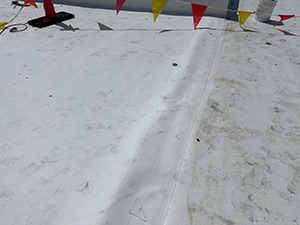
- Check heat-welded seams for gaps or separation using manufacturer-approved inspection methods.
- Look for scuffs, cracks, and signs of surface deterioration.
- Inspect for punctures near HVAC units and service routes.
- Clean the surface as needed using approved methods to help maintain reflectivity.
Metal Roofs
- Look for corrosion around fasteners, laps, and panel edges.
- Inspect fasteners and sealing washers where present for loosening or deterioration.
- Check seams and laps where panels meet.
- Repair failed sealant and damaged details using methods compatible with the roof system.
Built-Up and Modified Bitumen Roofs
- Look for blisters, splits, and cracks in the surface.
- Check for loss of protective gravel or granules.
- Inspect laps, flashing, and edges for separation or lifting.
- Identify low spots and signs of persistent ponding after rain.
Drains, Gutters, and Scuppers
Drainage is essential to a flat roof’s performance and easy to overlook. A blocked outlet can allow water to accumulate.
A maintenance scope should address:
- Removing leaves, dirt, and debris from accessible drains, gutters, and scuppers.
- Checking that drain strainers are present, secure, and undamaged.
- Inspecting drain assemblies, including clamping rings where used, for loose or damaged components.
- Investigating water that remains about 48 hours after rain.
Fall debris clearing is especially important where nearby trees shed onto the roof. Ice can also obstruct drainage during winter. Blocked piping below roof level may require a separate drainage service.
Seams and Flashings
Leaks commonly develop where roofing meets walls, vents, pipes, skylights, HVAC units, and roof edges. Flashing seals these transitions.

Important checks include:
- Wall flashing: Look for separation, loose terminations, and deteriorated sealant.
- Pipe boots and vent flashing: Check for cracks, splits, loose seals, and other damage.
- Pitch pans: Inspect sealant pockets for deteriorated filler and separation around penetrations.
- Roof edges and metal trim: Check for loose components that could allow water entry or wind damage.
- Field seams: Inspect for openings using procedures suited to the membrane. Probing is not appropriate for every seam or roofing material.
Addressing localized flashing defects early can prevent more extensive damage. Repair time depends on access, materials, weather, and the condition found.
Keep Good Service Records
A roof with a clear history is easier to care for. Records can also support warranty documentation, insurance claims, and future property transactions.
Useful records after each visit include:
- The date of the visit and relevant weather conditions.
- Photos and locations of observed problems, including before-and-after repair photos where provided.
- A list of completed work and outstanding items.
- Notes on conditions to monitor.
- A summary of the roof’s observed condition and any inspection limitations.
Confirm which reports and photos are included in the service scope. Keep these records in one folder along with warranty documents. Some warranties require documented inspections and maintenance, so follow the terms for your specific roof.
The same recordkeeping principles apply to roof maintenance in Marshfield, WI, helping owners plan ahead for Wisconsin weather.
When to Schedule Roof Checks
Timing matters as much as the work itself. Here is a useful starting schedule for commercial roofs in Tomah:
- Spring, often April–May: Once conditions allow, check for snow, ice, and freeze-thaw damage. Clear drainage debris after snowmelt.
- Fall, often September–October: Check before winter and arrange further debris clearing after leaves fall where needed.
- After severe storms: Arrange an inspection after hail, strong winds, or concerning snow accumulation once access is safe.
- After other rooftop work: Check for damage or debris following HVAC, solar, or other service visits.
Follow-up timing: Active leaks and open waterproofing details need prompt assessment. Repair scheduling depends on urgency, weather, access, materials, and authorization. Conditions being monitored should have a clear follow-up interval, with an earlier check if they worsen.
Older roofs and roofs with frequent service traffic may need more frequent inspections. Custom roof maintenance should respond to the roof’s condition and manufacturer requirements.
Why Choose Golden Eagle Roofing in Tomah?
A useful maintenance arrangement should provide a clear scope, an agreed schedule, and an explanation of findings and proposed repairs. It should also identify which cleaning, testing, documentation, and follow-up services are included.
As a roof ages or building use changes, its maintenance needs can change too. Contact Golden Eagle Roofing to discuss those needs and the appropriate scope for your property.
Call 608-633-6719 to discuss roof maintenance for your Tomah building today.
Frequently Asked Questions
1. How often should a commercial roof in Tomah, WI, be checked?
Spring and fall inspections are a useful baseline, with additional checks after severe weather or potentially damaging rooftop work. Follow any specific inspection and maintenance requirements from the roof manufacturer.
2. What is the most common cause of flat roof leaks?
Seams, flashing, penetrations, and drain details are common leak locations. Punctures and deterioration can also let water in. An assessment is needed to identify the actual source.
3. Can I clear my roof drains myself?
Leave rooftop drain cleaning to trained professionals with appropriate access equipment and fall protection. Owners can watch from safe locations for gutter overflow, interior water stains, or other signs that drainage needs attention.
4. Does regular maintenance help my roof warranty?
Following the manufacturer’s maintenance requirements and retaining records can help demonstrate compliance with warranty terms. Confirm the required inspection frequency and documentation for your specific system. Maintenance does not guarantee that every problem will be covered.
5. How long does a roof maintenance visit take?
Time depends on roof size, access, condition, and the agreed tasks. Cleaning, testing, or repairs can add time and may require separate authorization or another visit.
6. Is custom roof maintenance worth it for an older roof?
It can be. A condition-based plan helps identify repair needs and track deterioration. It may extend useful service life, but maintenance cannot reverse widespread damage or eliminate the need for replacement when the roof is no longer serviceable.