
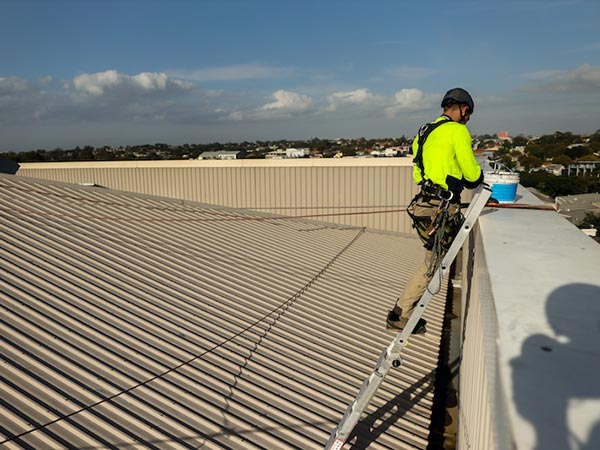
Commercial roofs in Onalaska, WI face changing weather conditions throughout the year, making consistent care an important part of protecting the building and managing long-term roofing costs. A structured roof maintenance program helps identify developing concerns before they lead to disruptive leaks or more extensive repairs. Regular inspections, cleaning, documentation, and targeted repairs can help keep the roofing system performing as intended.
For related commercial roofing guidance in Onalaska, see Commercial roof inspections in Onalaska and TPO roofing in Onalaska.
Golden Eagle Roofing handles roof maintenance for commercial properties in Onalaska, WI. Call (608) 633-6719 to establish a maintenance plan suited to your roofing system.
Consistent roof maintenance can reduce unexpected repair needs, extend the roof’s service life, and help property managers plan future roofing expenses more effectively.
What Professional Roof Maintenance Includes
A professional maintenance visit begins with a visual inspection of the roof surface and its key components. The technician looks for damaged membrane areas, open seams, deteriorated flashing, punctures, loose materials, and other conditions that could allow water to enter the building. Areas around rooftop equipment and penetrations receive particular attention because these locations often experience more wear than open sections of the roof.
Drainage is another major part of the inspection. Drains, scuppers, and gutters need to remain clear so rain and melting snow can leave the roof as designed. Leaves, branches, sediment, and other debris can restrict drainage and create standing water. Removing that material during scheduled maintenance helps reduce unnecessary stress on the roofing system.
Building a Roof Maintenance Schedule
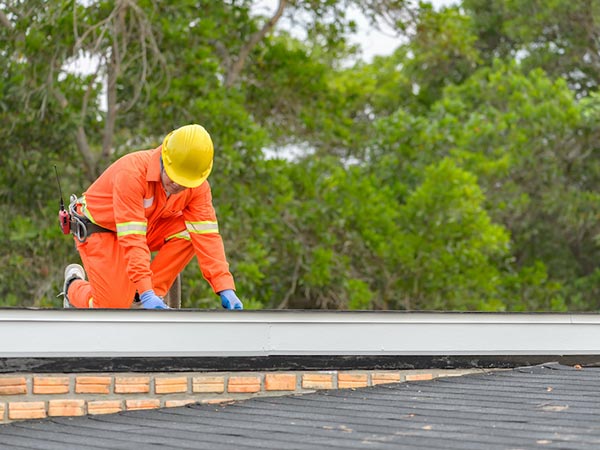
The right maintenance frequency depends on the building, roof system, age, and surrounding conditions. Many commercial properties benefit from inspections at least twice a year, with additional visits after severe weather or when the building has areas that are particularly prone to debris or drainage problems.
Multiple roof sections require organized scheduling. A property with several roof areas or different roofing systems should have each section tracked separately. This allows maintenance providers to record the condition of individual areas and identify patterns that may otherwise be overlooked. Older sections may require closer monitoring than newer ones, even when they occupy the same building.
A maintenance visit should also distinguish between conditions that can be monitored and problems that require immediate attention. Addressing a minor seam issue or damaged flashing before water reaches the insulation or roof deck can prevent a small repair from becoming a much larger project.
Roof Maintenance Documentation Matters
A maintenance program should produce a written record after every visit. Photographs of problem areas, inspection notes, completed repairs, and recommendations give property managers a clear history of how the roof has changed over time. This information becomes useful when planning future capital expenses or determining whether a roof is approaching replacement.
Good records also support better decision-making. If the same area repeatedly develops problems, the maintenance history can reveal that pattern and help determine whether continued repairs make financial sense. Documentation can also support warranty requirements and provide evidence that the property has been professionally maintained.
Turning Roof Maintenance into Long-Term Planning
The main advantage of scheduled roof maintenance is consistency. Regular inspections give property managers opportunities to identify and address developing problems while they are still manageable. Waiting until water appears inside the building can mean the original roofing issue has already spread and requires more extensive repairs.
Golden Eagle Roofing handles roof maintenance for commercial properties in Onalaska, WI. Call (608) 633-6719 today to establish a structured maintenance program for your roofing system.
Consistent maintenance can make roofing expenses more predictable, extend the useful life of the roof, and give property owners more time to plan and budget for eventual replacement.
FAQ
What does a commercial roof maintenance visit include, and how is it different from a repair call?
Maintenance is proactive and focuses on inspecting the entire roofing system, clearing drainage components, documenting conditions, and addressing minor issues before they worsen. A repair call generally responds to a specific known problem, such as an active leak or damaged section.
How do I set up a maintenance schedule for a commercial building with multiple roof sections or system types?
The schedule should account for each roof section’s age, system type, condition, drainage characteristics, and exposure. Keeping separate inspection records for each area makes it easier to identify which sections need more frequent attention.
What records should a building owner keep from each commercial roof maintenance visit?
Owners should retain inspection reports, photographs, repair details, recommendations, and notes about areas requiring future monitoring. A consistent record provides a useful history for warranty documentation, budgeting, repairs, and eventual replacement planning.