
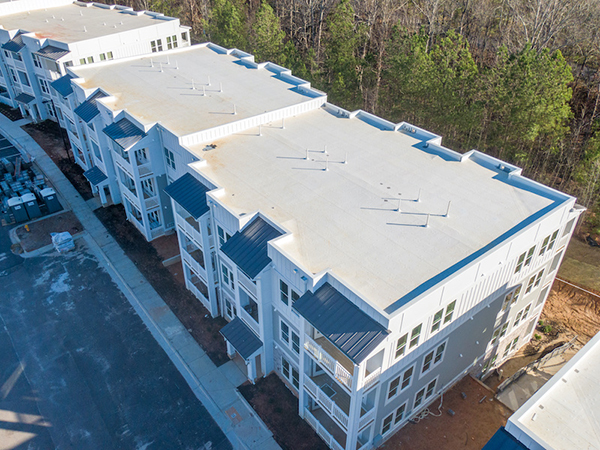
Onalaska commercial buildings face rain, snow, ice, and changing temperatures that can expose weaknesses in a flat roof. A properly installed roof assembly creates a continuous waterproofing system that directs water away from the building and protects the structure below. Flat roof installation depends on careful preparation, secure membrane attachment, reliable seams, and properly detailed edges and penetrations.
Call Golden Eagle Roofing at (608) 633-6719 for flat roof installation in Onalaska, WI.
Build a Waterproof Roof Assembly
A watertight flat roof begins with the complete assembly rather than the visible membrane alone. Depending on the roofing system, the assembly may include a structural deck, insulation, vapor control components, cover boards, and a waterproofing membrane. Each layer serves a specific purpose, and a problem in one part can affect the performance of the entire roof.
The surface beneath the membrane must be sound, clean, and properly prepared before installation begins. Insulation can improve energy performance while providing an even surface for the roofing system. The membrane creates the primary water barrier, but its effectiveness depends on how carefully every layer is installed and connected.
Install Reliable Seams
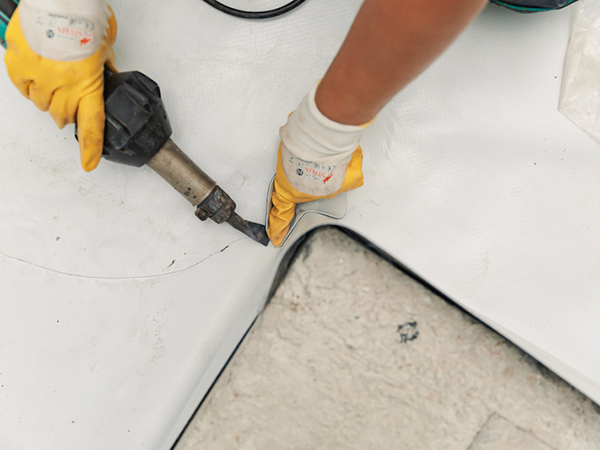
Seams connect separate membrane sections into one water-shedding surface. Depending on the roofing system, seams may be heat welded, adhered, or mechanically secured. Proper preparation, alignment, pressure, and workmanship are necessary for each method.
Poorly formed seams can create pathways for water to reach the layers underneath. A roof can look complete while small installation defects remain hidden until rain, snow, and temperature changes expose them. Inspecting seams during installation helps identify weak areas before they develop into leaks.
Keep Water Out at Flashings and Penetrations
A large, uninterrupted roof surface is generally easier to waterproof than areas where the membrane meets another surface. Pipes, vents, rooftop equipment, walls, drains, and other penetrations interrupt the membrane and require carefully installed flashing.
Flashing creates a protected transition between the roof membrane and adjacent surfaces. Poorly fitted flashing or incomplete seals can allow water beneath the roofing system, even when the main membrane remains intact. Edges and corners also require attention because water can collect or move toward these locations.
Why Installation Determines Performance
The quality of a flat roof depends heavily on what happens during installation. Proper material handling, surface preparation, membrane placement, attachment, seam formation, and detailing all contribute to the finished waterproofing system. A weakness introduced during installation can become a recurring maintenance problem later.
Onalaska’s seasonal weather makes reliable waterproofing especially valuable. Winter snow and ice can remain on flat roofs, while spring rain increases demands on drainage and membrane seams. A properly installed system provides a stronger defense against moisture intrusion as conditions change throughout the year.
Protect the Building With Proper Installation
A flat roof functions as a complete system, with each layer and detail contributing to waterproofing performance. Building owners should consider the roof deck, insulation, attachment method, seams, flashings, drains, and penetrations rather than evaluating the membrane alone.
Proper installation creates the foundation for long-term watertightness. Investing in careful preparation and workmanship from the beginning can reduce leak risks and help protect the building and its contents from moisture damage.
For flat roof installation in Onalaska, WI, contact Golden Eagle Roofing at (608) 633-6719 today.
FAQ
What makes the difference between a flat roof installation that stays watertight for decades and one that starts leaking within a few years?
Long-term performance depends on the complete roof system and installation quality. Proper drainage, compatible materials, secure attachment, reliable seams, and careful flashing details all reduce opportunities for water intrusion. Regular inspections can also identify developing problems before they affect the roof system.
How important are the flashings and penetration details during a flat roof installation, and what happens when they are done poorly?
They are highly important because these areas interrupt the main waterproofing surface. Poorly installed flashings can leave gaps or weak transitions where water enters, potentially causing concealed moisture damage beneath the membrane or around rooftop equipment.
How long after a new flat roof installation should a building owner in Onalaska expect the roof to remain leak-free?
There is no guaranteed leak-free period because performance depends on the roofing system, weather exposure, drainage, maintenance, and installation quality. A properly installed and maintained roof can provide many years of reliable service, while inspections help preserve its performance.