Is your roof starting to leak, fade, or rust? A compatible coating system may extend its service life without a full tear-off, provided the roof is suitable and underlying problems are repaired first. But not every coating works on every roof. Picking the wrong one can mean peeling, bubbling, and wasted money.
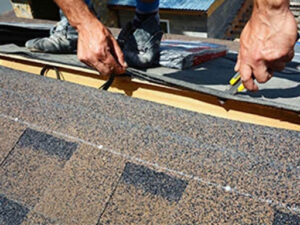
Choosing an elastomeric roof coating in Holmen, WI starts with the existing roof surface, moisture conditions, and coating compatibility. The same considerations apply to owners researching elastomeric roof coating in Marshfield, WI. Call Golden Eagle Roofing at 608-633-6719 to discuss your roof and the next step.
What Is an Elastomeric Roof Coating?
An elastomeric roof coating is a liquid applied by roller or spray that cures into a flexible protective layer. It can stretch and recover as the roof moves through temperature changes.
That flexibility matters in Holmen. Roofs heat up in summer sun and cool during Wisconsin winters. A suitable coating needs to accommodate normal movement while maintaining adhesion. It does not replace properly designed joints, flashing, or underlying repairs.
ASTM D6083/D6083M is a specification for liquid-applied acrylic roof coatings. It addresses several properties, including elongation, tensile strength, adhesion, water swelling, and low-temperature flexibility. Elongation alone does not determine whether a coating is suitable for your roof.
Why Owners in Holmen Choose a Roof Coating
When snow melts on a roof, water can enter through weak seams, damaged flashing, or loose fasteners. A restoration project addresses those defects before adding a compatible protective coating.
A reflective white coating can also reduce roof-surface temperatures in sunny weather. The effect on energy bills depends on the building’s insulation, heating and cooling systems, and local climate. In Wisconsin, both summer cooling benefits and winter heating effects should be considered.

A coating can add service life to a roof that still has a sound base. Warranty terms vary by product and system. Required thickness, preparation, inspections, and maintenance can affect coverage. A warranty period is not a guarantee of actual service life.
How to Pick the Right Coating: Start With What’s Under It
The coating has to bond to the existing roof surface. If it does not, it can peel away. Here is how common roof types affect the choice:
- Metal roofs: Compatible acrylic systems can suit metal roofs that drain well. Rust, damaged panels, seams, and fasteners must be addressed before coating.
- EPDM (black rubber) roofs: Cleaning, primer requirements, and coating compatibility depend on the selected system and the condition of the membrane.
- TPO roofs: Surface preparation and adhesion testing help confirm compatibility. A manufacturer-specified primer may be required.
- Modified bitumen and built-up roofs: Asphalt can bleed through some coatings. A compatible bleed-blocking primer may be needed.
- Spray foam roofs: Acrylic and silicone systems are commonly used to protect suitable foam roofing from UV exposure.
- Roofs already coated with silicone: Recoating generally requires a compatible silicone system, with preparation and any primer specified by the manufacturer.
For metal roofs with rust, loose fasteners, or worn seams, coating is often part of a larger restoration project. Our Metal Roof Restoration Holmen WI page discusses this work in more detail.
Acrylic vs. Silicone: Know the Limits
Acrylic and silicone are two common elastomeric coating types. Each has strengths and limitations. The exact product and roof conditions should guide the choice.
Acrylic Coatings
Acrylic roof coatings are commonly water-based and available in reflective white finishes. They can be a cost-effective choice for suitable roofs that drain well, including many sloped metal roofs.
Acrylic’s limits:
- Many acrylic systems are not intended for prolonged ponding water. Confirm the selected product’s limitations and address drainage problems before coating.
- Application and curing require suitable roof temperatures, humidity, and a sufficient rain-free period. Cold nights and heavy dew can restrict the work window in Holmen.
Silicone Coatings
Many silicone roof coatings tolerate ponding water and UV exposure well. They may suit certain flat or low-slope roofs, but persistent ponding still needs a drainage assessment.
Silicone’s limits:
- Dirt accumulation can reduce reflectivity over time.
- Future recoating generally requires a compatible silicone system and manufacturer-approved preparation.
- Cost and resistance to service traffic vary by product. Designated walkways may be needed around frequently serviced equipment.
This article is about choosing the right type for your roof. If you already know silicone is suitable, our silicone roof coating guide goes deeper into how that system is installed and maintained.
Other Things to Check Before Coating
Coating type is only one part of the choice. Other factors include:
- Tear and tensile properties: These help describe the coating’s mechanical performance, but they do not make the roof immune to hail, branches, or foot traffic.
- Water uptake: The product’s resistance to water absorption matters, particularly where prolonged wetting may occur.
- Perm rating: This describes how readily moisture vapor passes through the coating. Suitability depends on the roof assembly and building conditions.
- Adhesion: Testing helps evaluate the bond between the prepared roof and the proposed coating system.
- Roof condition: Moisture evaluation and, where appropriate, targeted core samples help establish whether the assembly is suitable for restoration.
Widespread wet insulation, deteriorated decking, or extensive membrane failure can make replacement more appropriate. Coating should not be used to hide those conditions.
Why Work With Golden Eagle Roofing?
A useful coating proposal should explain why the selected system suits your roof, how compatibility will be checked, and what repairs and preparation are required. The schedule should also account for Wisconsin weather and the product’s application requirements.
For a roof in Holmen, Marshfield, or another Wisconsin community, these details help you compare options. Contact Golden Eagle Roofing to discuss your property, available services, and the proposed scope of work.
Get Your Roof Checked Today
Want to know whether an elastomeric roof coating in Holmen, WI is suitable for your roof? Call Golden Eagle Roofing at 608-633-6719 to discuss your roof’s condition and the next step for evaluating coating options.
Frequently Asked Questions
What is the best elastomeric roof coating?
The best choice depends on the roof surface, moisture conditions, drainage, service traffic, and coating compatibility. Acrylic systems can suit roofs that drain well. Some silicone systems tolerate ponding conditions, but drainage problems still need evaluation. Inspection and appropriate testing help guide the choice.
Is silicone or acrylic roof coating better?
Neither is best for every roof. Acrylic can be a cost-effective reflective option for roofs that drain well. Many silicone systems tolerate ponding water, but dirt pickup and future recoating requirements need consideration. Compare specific products rather than relying on coating type alone.
How long does elastomeric roof coating last?
Service life depends on the coating system, installed thickness, preparation, drainage, exposure, and maintenance. Follow the manufacturer’s guidance for the specified system. Warranty length and actual service life are separate, and some suitable systems can be recoated later.
Can you put elastomeric coating on a metal roof?
Yes, when the metal roof is a suitable candidate and the coating system is compatible. Rust, damaged panels, loose fasteners, and failed seams must be addressed first. Coating may form part of a metal roof restoration project.
Does elastomeric roof coating stop leaks?
A properly specified coating system can help restore weather protection, but active leaks and underlying defects need repair first. Coating alone does not correct wet insulation, damaged decking, open seams, or failed flashing.
Can you apply roof coating in cold weather?
It depends on the product. Roof temperature, air temperature, humidity, dew, and expected rain must meet the manufacturer’s application and curing requirements. In Holmen, late spring through early fall may offer suitable windows, but the actual conditions determine when work can proceed.