Standing Seam Roof Barre Mills, WI

Standing Seam Roof Barre Mills, WI 1

For commercial property owners in Barre Mills, WI, a standing seam roof is often chosen for its durability, sleek appearance, and long service life. However, like any roofing system, it can develop leaks over time if certain issues arise. Understanding the causes of standing seam roof leaks and how they can be addressed is essential for protecting commercial facilities, equipment, and daily operations. Golden Eagle Roofing provides expert guidance and repair services for businesses facing roofing concerns. If you suspect issues with your standing seam roof in Barre Mills, WI, call 608-633-6719 to speak with the team at Golden Eagle Roofing.

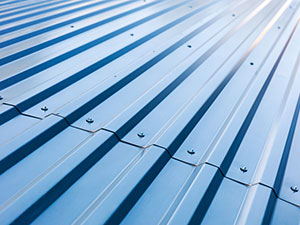
Standing seam metal roofing systems are designed with raised seams that lock panels together, reducing the number of exposed fasteners and improving water resistance. These systems are commonly used on warehouses, agricultural buildings, retail facilities, and office spaces due to their longevity. However, environmental exposure, installation errors, and structural movement can sometimes lead to leaks.

Common Causes of Standing Seam Roof Leaks

Although standing seam roofs are known for reliability, certain factors can compromise their performance over time.

Improper Installation

One of the most common causes of leaks is improper installation. If panels are not aligned correctly or seams are not fully secured, water can penetrate the roof system. Improper flashing around vents, skylights, or HVAC units may also create entry points for moisture.

Thermal Expansion and Contraction

Metal roofing naturally expands when temperatures rise and contracts when temperatures drop. In climates like Barre Mills, WI, where seasonal temperature swings are common, repeated expansion and contraction can stress seams and fasteners. Over time, this movement may loosen components or create gaps that allow water infiltration.

Damaged or Worn Sealants

Sealants are often used at roof penetrations and joints to enhance waterproofing. However, exposure to UV radiation, weather conditions, and age can cause sealants to crack or deteriorate. When sealants fail, even small openings can allow moisture to enter the roofing system.

Panel Damage

Severe storms, falling debris, or foot traffic during maintenance can dent or puncture metal panels. While standing seam roofs are strong, physical damage can compromise the protective barrier and create leak pathways.

Understanding these potential causes allows commercial building owners to respond quickly when warning signs appear.

Identifying Leak Warning Signs in Commercial Buildings
Standing Seam Roof Barre Mills, WI 2

Detecting a standing seam roof leak early can prevent significant structural damage and costly repairs. Commercial property owners should watch for several key indicators.

Interior Water Stains

Water stains on ceilings or walls are often the first visible sign of a roof leak. These stains may appear near roof penetrations or along seams where moisture travels.

Rust or Corrosion

While many metal roofs include protective coatings, corrosion can develop if the coating becomes damaged. Rust spots may indicate prolonged moisture exposure or compromised metal panels.

Loose or Raised Seams

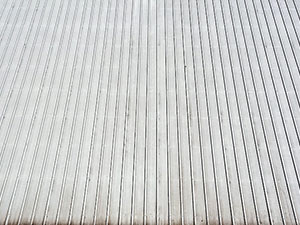
Standing seams should remain tightly locked. If seams appear separated, raised, or misaligned, water may be entering through the panel connections.

Pooling Water or Drainage Issues

Although standing seam roofs are designed to shed water efficiently, poor drainage can lead to standing water. Over time, this increases the risk of leaks and structural stress.

Regular observation of these signs helps building owners address problems before they escalate into larger roofing failures.

Effective Solutions for Standing Seam Roof Leaks

Addressing standing seam roof leaks typically involves identifying the exact source of water intrusion and applying targeted repairs. Several solutions are commonly used in commercial roofing systems.

Seam Reinforcement

If leaks originate from panel seams, contractors may reinforce the connections using specialized clips, sealants, or mechanical adjustments to restore tight seals.

Flashing Replacement

Roof penetrations such as vents, skylights, and equipment mounts require durable flashing systems. Replacing worn or improperly installed flashing can eliminate leak points.

Panel Repair or Replacement

When panels become damaged or severely corroded, replacing the affected section restores the integrity of the roofing system without requiring a full roof replacement.

Protective Roof Coatings

In some cases, applying a high-performance metal roof coating can seal minor cracks, improve waterproofing, and extend the roof’s lifespan.

Each solution should be chosen based on the specific condition of the roof and the extent of the problem.

Why Prompt Leak Repairs Matter for Commercial Buildings

For businesses in Barre Mills, WI, even small roof leaks can lead to significant consequences. Moisture intrusion may damage insulation, electrical systems, and interior finishes. In warehouses or production facilities, leaks can threaten inventory and equipment, potentially causing operational disruptions.

Addressing leaks promptly protects both the building structure and the activities inside it. Timely repairs also help extend the life of a standing seam roof, maximizing the return on investment for commercial property owners.

Preventative maintenance and professional inspections further ensure that small issues are resolved before they evolve into major structural concerns.

Standing Seam Roof Experts

If your commercial property is experiencing standing seam roof issues in Barre Mills, WI, professional assistance can help restore the integrity of your roofing system. Golden Eagle Roofing provides knowledgeable service and solutions designed to address leaks and protect commercial buildings. To discuss your standing seam roof concerns in Barre Mills, WI, call 608-633-6719 and speak with the experienced team at Golden Eagle Roofing today.

FAQ

What makes a standing seam roof different from other metal roofs?
A standing seam roof features raised seams that lock panels together, reducing exposed fasteners and improving water resistance.

Can a leaking standing seam roof be repaired without replacement?
Yes, many leaks can be resolved through seam reinforcement, flashing repair, or localized panel replacement.

Are standing seam roofs suitable for commercial buildings?
Yes, they are widely used on commercial properties because of their durability, energy efficiency, and long lifespan.

What causes metal roof seams to separate?
Thermal expansion, installation errors, or structural movement can cause seams to loosen or shift over time.
Foam Roof Sparta, WI

Foam Roof Sparta, WI 1

A properly installed foam roof can be one of the longest lasting and most energy efficient systems available for commercial buildings in Sparta, Wisconsin. When applied with precision and protected from the elements, foam roofing is built to withstand harsh Midwest winters, heavy snow loads, and wide seasonal temperature swings.

Golden Eagle Roofing installs high-performance roofing systems for commercial properties in Sparta, Wisconsin. Call 608-633-6719 to discuss how a professionally installed foam roof can strengthen your building and improve long-term efficiency.

How Long Does a Foam Roof Last?

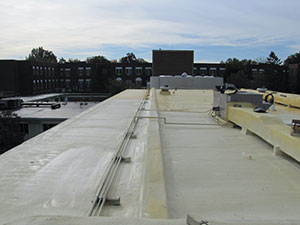
Before answering this common question, it’s important to understand what a foam roof is. Foam roofing, or spray polyurethane foam (SPF), is a seamless system created by spraying liquid foam that expands into a solid, insulated layer. It forms a continuous waterproof surface that seals gaps, seams, and penetrations. A protective coating is applied on top to defend against sunlight and weather.

These roofs perform especially well on flat commercial buildings because they combine insulation and waterproofing in one system.

The lifespan of a foam roof depends on installation quality, coating maintenance, and local weather conditions. In Sparta’s climate, a properly installed and maintained roof can last for decades.

Foam Roof Lifespan in Wisconsin Climate

A professionally installed foam roof can last 20 to 30 years or more when properly maintained. In Sparta, Wisconsin, roofs must endure freezing winters, heavy snowfall, spring moisture, and summer heat. It performs well in these conditions because it expands and contracts without cracking.

The seamless nature of a foam eliminates many of the weak points found in traditional flat roofing systems. Without seams or fasteners exposed to weather, there are fewer opportunities for leaks and water intrusion. This structural advantage plays a major role in extending lifespan.

How Wisconsin Weather Affects Foam Roofing

Sparta’s climate presents specific challenges that influence how long a foam roof lasts. Freeze thaw cycles, UV exposure, and snow accumulation all impact roofing materials.

This roof handles these stresses effectively because:

  • It forms a continuous waterproof barrier that resists moisture intrusion
  • Its insulation properties reduce thermal shock from temperature swings
  • Protective coatings shield the foam from UV degradation
Foam Roof Sparta, WI 2

When coatings are applied correctly and refreshed as needed, the foam beneath remains protected and structurally sound for decades.

Foam Roofing Installation Quality

The lifespan of a foam roof is heavily tied to installation quality. Proper surface preparation, correct foam thickness, and even application are critical for long term durability.

Professional installers focus on:

  • Thorough cleaning and preparation of the existing roof surface
  • Applying foam at the correct density and thickness
  • Sealing penetrations and edges to prevent weak spots

Poor installation can shorten a roof’s life significantly, which is why experienced commercial roofing professionals are essential for achieving maximum lifespan.

Protective Coatings and Roof Performance

A foam roof is always finished with a protective coating, most often silicone or acrylic. This coating protects the foam from UV exposure, weather, and everyday wear. Over time, the coating can be renewed without removing the underlying foam.

That renewable surface layer is one of the main reasons foam systems last so long. Instead of tearing off and replacing the entire system, building owners can restore performance by reapplying the coating as needed. This helps control long-term costs and limits disruption to daily operations.

Signs a Foam Roof Is Aging

Even durable foam roofs eventually show signs of wear. Recognizing early indicators helps property owners plan timely restoration.

Common signs include:

  • Fading or thinning protective coating
  • Small surface cracks or exposed foam areas
  • Minor ponding water after rainfall

Addressing these issues early allows professionals to restore the roof and extend its usable life without full replacement.

Foam Roofs are a Long-Term Investment

For commercial buildings in Sparta, a foam roof is more than just a protective layer. Its insulation properties reduce heating and cooling demands, which can lead to significant energy savings over time. Combined with its long lifespan and renewable coatings, foam systems offers strong long term value.

Business owners benefit from fewer leak risks, improved energy efficiency, and reduced lifecycle costs compared to many traditional flat roofing systems.

Foam Roof Experts

Choosing a durable foam roof is a smart investment for commercial properties in Sparta, Wisconsin that require dependable protection against Midwest weather. When installed correctly and finished with protective coatings, foam systems can perform for decades while improving energy efficiency and reducing long-term operating costs.

Golden Eagle Roofing specializes in foam systems for commercial roofs in Sparta, Wisconsin. Call 608-633-6719 to discuss a solution designed for your property and built to handle local conditions year after year.

FAQ

How long does a foam roof typically last?
A professionally installed foam roof can last 20 to 30 years or longer with proper coating protection.

Can a foam roof be restored instead of replaced?
Yes, these can be restored by renewing the protective coating.

Is a foam roof suitable for large commercial buildings?
Yes, it works especially well on flat and low slope commercial structures.

Does snow damage a foam roof?
They are designed to handle snow loads and resist moisture intrusion.

Spray Foam Roofing Sparta, WI

Spray Foam Roofing Sparta, WI 1

At Golden Eagle Roofing, we work with commercial property owners and facility managers in Sparta, WI who want the benefits of spray foam roofing. Known for its durability, insulation, and waterproofing, spray foam is ideal for commercial buildings like warehouses, office complexes, retail centers, and larger residential buildings or condos.

However, mistakes during installation or maintenance can lead to unnecessary repairs, reduced roof lifespan, and operational disruptions. For professional commercial installation, contact Golden Eagle Roofing at 608-633-6719.

Common Spray Foam Roofing Mistakes

This article highlights the most common mistakes in spray foam roofing for commercial properties, including installation errors, material missteps, and maintenance oversights. Understanding these pitfalls helps building managers protect their roofs, prevent leaks, and extend the lifespan of their commercial roofing investment.

Skipping Proper Roof Preparation

One of the most frequent mistakes is inadequate roof preparation. Dust, debris, moisture, or pre-existing damage can prevent the foam from adhering correctly. On large commercial roofs, even minor errors in preparation can create widespread issues, including leaks, poor insulation, and structural strain.

Key preparation steps for commercial roofs include:

  • Thoroughly cleaning and drying the roof surface
  • Repairing cracks, rust, or pre-existing damage
  • Ensuring compatibility of the existing roofing substrate with spray foam
Spray Foam Roofing Sparta, WI 2

Skipping these steps can result in bubbles, peeling, or weak adhesion, compromising the roof’s long-term performance.

Incorrect Application

Spray foam roofing requires precision in thickness, layering, and curing. Applying the foam too thin reduces insulation and waterproofing effectiveness, while excessive application can cause cracking or shrinking as the foam cures. Environmental factors such as temperature, humidity, and wind also impact application, and commercial roofs must account for large surface areas.

Common installation mistakes include:

  • Skipping edge flashing or sealing around penetrations, which can lead to leaks
  • Uneven layering, creating weak points
  • Not allowing proper curing time before applying the topcoat, reducing UV and weather resistance

Professional installation ensures uniform coverage across the entire commercial roof and maintains durability.

Ignoring Maintenance Requirements

Even though spray foam roofing is low-maintenance, commercial buildings require scheduled inspections. Minor punctures, standing water, or membrane damage can escalate quickly on expansive roof surfaces. Regular inspections allow facility managers to catch issues early, preventing costly repairs and operational disruptions.

Benefits of routine maintenance for commercial roofs include:

  • Extending the roof’s lifespan
  • Identifying small defects before they grow into major problems
  • Preventing water intrusion, insulation loss, and structural damage

Choosing the Wrong Coatings

Spray foam roofing performs better when protected with a UV-resistant topcoat. Using low-quality coatings or incompatible materials is a common mistake, especially on large commercial roofs. Improper coatings can lead to cracking, premature wear, and decreased energy efficiency.

To avoid problems:

  • Select high-quality reflective coatings suited to the climate
  • Ensure compatibility between the foam and the topcoat
  • Use professional-grade products for large-scale applications

Overlooking Professional Expertise

Spray foam roofing projects on commercial buildings are large and complex. Attempting DIY installation or hiring inexperienced contractors can jeopardize the entire roof. Proper installation requires specialized equipment, techniques, and knowledge of local weather conditions.

Professional installation provides:

  • Uniform foam thickness and precise application
  • Proper sealing around edges, vents, and penetrations
  • Protection against snow load, ice, wind, and heavy rainfall

These measures ensure the roof performs reliably for years, even under demanding commercial-use conditions.

Spray Foam Roofing Professionals

Spray foam roofing offers exceptional insulation, waterproofing, and durability for commercial buildings, as well as larger residential buildings and condos. Mistakes during installation or maintenance can compromise these benefits. Proper roof preparation, accurate application, quality coatings, regular maintenance, and professional expertise all contribute to long-term performance.

In Sparta, WI, Golden Eagle Roofing specializes in spray foam roofing for commercial properties, ensuring your investment is protected. Contact Golden Eagle Roofing at 608-633-6719 to schedule a consultation or professional installation.

FAQ

Can spray foam roofing be installed on all commercial roof types?
Yes, it is ideal for commercial low-slope roofs, as well as larger residential buildings and condos, but professional installation is essential.

How often should commercial spray foam roofs be inspected?
At least twice a year, and after heavy storms, snow, or ice accumulation.

What are the main causes of spray foam roofing failure on commercial roofs?
Improper surface preparation, incorrect application, inadequate topcoat, and lack of maintenance are the primary issues.

Does professional installation improve roof lifespan?
Yes, professional installation ensures proper coverage, sealing, and coating, extending roof life and protecting the building structure.

Metal Roof Restoration Sparta, WI

Metal Roof Restoration Sparta, WI 1

At Golden Eagle Roofing, we help commercial property owners and facility managers in Sparta, Wisconsin protect their buildings with professional metal roof restoration. Wisconsin’s harsh weather, including heavy snow, ice, rain, and UV exposure, can gradually wear down metal roofs, leading to leaks, corrosion, and reduced energy efficiency.

While residential buildings and condos also benefit from metal roof restoration, commercial roofs face larger surfaces, more traffic, and higher operational stakes. For expert metal roof restoration, contact Golden Eagle Roofing at 608-633-6719.

Metal Roof Restoration: Signs Your Roof Needs Attention

This article explains the signs that indicate your metal roof may need restoration, with a focus on commercial properties, and includes a brief section for residential metal roofs. Early detection of these signs can save money, extend roof lifespan, and prevent major disruptions.

Metal Roof Restoration Sparta, WI 2

Weather-Related issues That Prompt Roof Restoration

Wisconsin’s climate places unique stress on metal roofs. Heavy snow loads in winter, ice formation, and frequent freeze-thaw cycles can damage panels, coatings, and fasteners. Rain and wind during spring and summer accelerate corrosion, while sun exposure gradually fades protective coatings.

  • Rust spots along seams and fasteners caused by moisture accumulation
  • Coating deterioration from UV exposure, leading to fading, cracking, or peeling
  • Water pooling or leaks after heavy storms or snowmelt
  • Loose or damaged fasteners due to thermal expansion and contraction

Recognizing these weather-related signs early is essential for properties to maintain roof integrity and prevent operational downtime.

Restoration on a Commercial Roof: Key Signs

Commercial metal roofs face large-scale wear and tear, with multiple penetrations for HVAC systems, vents, and solar panels. Facility managers should watch for the following signs of damage that indicate restoration is needed:

  • Rust and corrosion on panels: Rust spreads quickly on large roofs, weakening the structure.
  • Worn or peeling coatings: Reduced waterproofing and UV protection threaten insulation efficiency.
  • Leaks or water intrusion: Water stains, rust around fasteners, or pooling indicate compromised protection.
  • Loose or missing fasteners: Panels can shift, leaving gaps for water and wind to penetrate.
  • Dents, punctures, or surface damage: Hail, debris, or maintenance activity can create weak points.
  • Seam and flashing issues: Seams may separate or flashing may fail, allowing leaks.

Benefits of Commercial Metal Roof Restoration

  • Prevents water intrusion and interior damage
  • Extends roof lifespan across large surfaces
  • Maintains insulation and energy efficiency
  • Reduces future repair costs and operational disruptions

Professional commercial restoration includes rust treatment, coating renewal, fastener inspection, and sealing around penetrations. Large roofs require specialized equipment and experience to ensure uniform coverage and long-term durability.

When to Consider Proactive Restoration

Even if visible damage is limited, proactive restoration can prevent small issues from escalating on commercial roofs. Signs that your roof may benefit from preventative restoration include:

  • Fading of the reflective coating across large areas
  • Minor rust spots or surface scratches
  • Slight pooling of water in areas of low slope
  • Early loosening of fasteners or slight seam separation

Addressing these issues proactively reduces downtime, avoids costly emergency repairs, and maintains building efficiency.

Residential Metal Roof Restoration

While residential metal roofs and condos are smaller in scale, they experience similar wear over time. Signs that residential roofs may need restoration include:

  • Fading or peeling coatings, which reduce UV and water protection
  • Minor rust along seams or fasteners
  • Small dents or punctures from hail or debris
  • Leaks around vents, chimneys, or roof intersections

Restoration for residential properties includes recoating, rust treatment, sealing seams, and repairing dents or surface damage. Though smaller in scale than commercial roofs, these steps prevent minor issues from becoming costly problems.

Metal Roof Restoration Experts

Restoring your metal roof ensures long-lasting protection, energy efficiency, and structural integrity. Commercial metal roofs benefit from restoration that address rust, coating wear, leaks, loose fasteners, and surface damage, while residential metal roofs gain protection against minor corrosion and weathering.

At Golden Eagle Roofing, our professional metal roof restoration services help property owners in Sparta, WI, extend roof lifespan, reduce repair costs, and maintain building performance. Don’t wait for small issues to become major problems, contact Golden Eagle Roofing at 608-633-6719 for a consultation or restoration evaluation today.

FAQ

How often should commercial metal roofs be inspected for restoration needs?
At least once or twice a year, especially after storms or heavy snow events.

Can restoration improve energy efficiency?
Yes, reflective coatings restore insulation and reduce heating and cooling costs.

Is restoration more cost-effective than replacement?
Yes, it extends roof life at a fraction of the cost of full replacement.

Do residential metal roofs require the same restoration process as commercial roofs?
The process is similar, but commercial roofs often require more labor, materials, and specialized safety measures due to their size.

Residential Roofing Barre Mills, WI

For homeowners in Barre Mills, WI, selecting the right residential roofing material is one of the most important decisions you can make for your property. Your roof protects your family, influences energy efficiency, and plays a major role in curb appeal. If you’re planning a roofing project, Golden Eagle Roofing is ready to help guide your decision, call 608-633-6719 to learn more about professional residential roofing solutions tailored to your home.

Choosing the best roofing material isn’t just about appearance. Climate, durability, maintenance needs, and long-term value all play a role in making the right choice. Understanding your options can help you select a roof that performs well for years to come.

Understanding the Climate Impact on Residential Roofing Materials

Residential Roofing Barre Mills, WI 1

Before exploring specific materials, it’s important to consider how local weather affects your roof. In regions like Barre Mills, homes experience cold winters, snowfall, rain, and seasonal temperature swings. Roofing materials must withstand freeze-thaw cycles, moisture, and occasional storms.

Key climate considerations include:

  • Resistance to snow and ice accumulation
  • Ability to handle temperature fluctuations
  • Durability against wind and rain
  • Insulation and energy efficiency

Selecting materials designed for these conditions helps prevent premature wear and costly repairs.

Popular Residential Roofing Materials and Their Benefits

Homeowners today have several reliable roofing materials to choose from. Each offers unique advantages depending on your budget, style preferences, and performance expectations.

Asphalt Shingles: Affordable and Versatile

Asphalt shingles remain one of the most widely used residential roofing materials. They are popular because they are cost-effective, easy to install, and available in a wide range of colors and styles.

Benefits include:

  • Budget-friendly installation
  • Good weather resistance
  • Easy maintenance and repair
  • Wide design flexibility

For homeowners seeking dependable performance without a large upfront investment, asphalt shingles are often an excellent option.

Metal Roofing: Durable and Energy Efficient

Metal roofing has gained popularity due to its exceptional longevity and energy-saving benefits. Metal roofs reflect sunlight, helping keep homes cooler in summer and reducing energy consumption.

Residential Roofing Barre Mills, WI 2

Advantages include:

  • Long lifespan compared to many materials
  • Strong resistance to wind, snow, and rain
  • Minimal maintenance requirements
  • Improved energy efficiency

While the initial investment may be higher, the long-term durability often makes metal roofing a valuable choice.

Wood Shakes and Shingles: Natural Beauty

Wood roofing offers a classic, natural appearance that enhances curb appeal. Cedar shakes and shingles are particularly popular for homeowners seeking a traditional aesthetic.

Key benefits:

  • Unique and attractive appearance
  • Natural insulation properties
  • Eco-friendly material options

However, wood roofing requires more maintenance than other materials and may not be suitable for every homeowner.

Synthetic and Composite Roofing: Modern Innovation

Synthetic roofing materials mimic the look of wood, slate, or tile while offering improved durability and lower maintenance. These materials are engineered to resist weather damage and provide long-lasting performance.

Benefits include:

  • Lightweight yet strong construction
  • Resistance to moisture and pests
  • Wide variety of styles
  • Long lifespan with minimal upkeep

For homeowners seeking a balance between appearance and durability, synthetic roofing can be an appealing solution.

Factors to Consider Before Making Your Decision

Choosing the right roofing material involves more than comparing options. Homeowners should evaluate several practical factors before making a final decision.

Budget and Long-Term Value

While upfront cost is important, long-term performance matters just as much. Some materials cost more initially but require fewer repairs and last longer, offering greater overall value.

Maintenance Requirements

Different roofing materials require varying levels of upkeep. Consider how much time and effort you’re willing to invest in maintaining your roof.

Curb Appeal and Home Style

Your roof significantly impacts your home’s appearance. Choosing a material that complements your home’s architectural style can enhance property value and visual appeal.

Energy Efficiency

Energy-efficient roofing materials can help regulate indoor temperatures and reduce heating and cooling demands. This can improve comfort and reduce energy usage over time.

Residential Roofing Experts

Selecting a roofing material can feel overwhelming due to the variety of options available. Professional roofing contractors evaluate your home’s structure, local climate, and long-term goals to recommend suitable materials.

Working with experienced professionals ensures proper installation, which is essential for maximizing the lifespan and performance of your roof.

For homeowners in Barre Mills, WI, Golden Eagle Roofing provides expert guidance and professional residential roofing services. Call 608-633-6719 today to explore the best roofing materials for your home and ensure your investment is built to last.

FAQ

Which roofing material lasts the longest?
Metal and synthetic roofing materials typically offer some of the longest lifespans compared to traditional options.

Is metal roofing noisy during rain?
Modern metal roofs are installed with insulation and underlayment that significantly reduce noise levels.

Can I switch roofing materials during replacement?
Yes, many homeowners upgrade to different materials during replacement if the roof structure supports the change.

Does roofing material affect home value?
Yes, high-quality and visually appealing roofing materials can enhance curb appeal and increase property value.

Pro Rib Metal Roof Sparta, WI

Pro Rib Metal Roof Sparta, WI 1Choosing the right metal roofing system is not just about appearance. Climate, building use, and roof structure all play a major role in how a system performs over time. For property owners evaluating metal roofing options, understanding the differences between a Pro Rib metal roof and a standing seam system can help avoid costly mismatches. At Golden Eagle Roofing, we work with homeowners, agricultural buildings, and light commercial properties across Sparta, Wisconsin to match roofing systems to real-world conditions. If you are exploring metal roofing options, our team is available at 608-633-6719 to walk through what makes sense for your building.

Pro Rib Metal Roof vs Standing Seam

This article breaks down how Pro Rib and standing seam metal roofs differ in design, performance, and practicality, with a specific focus on why Pro Rib metal roofing is often a strong fit for Wisconsin’s weather and building types.

Pro Rib metal roof systems and standing seam roofs are two of the most common metal roofing options used on residential, agricultural, and light commercial buildings. They are often compared because both are designed to handle moisture, snow, and temperature fluctuations better than traditional roofing materials.

The difference lies in how the panels are constructed and secured. A Pro Rib metal roof uses exposed fasteners and overlapping panels, while standing seam roofing relies on concealed fasteners and raised seams. These structural differences affect cost, installation flexibility, and how each system performs under regional conditions like those found in Wisconsin.

Pro Rib Metal Roof Sparta, WI 2

How a Pro Rib Metal Roof Is Designed and Installed

A Pro Rib metal roof consists of Ribbed steel panels that overlap and are mechanically fastened directly to the roof structure. The Ribs add strength to the panel, allowing it to span longer distances and shed water efficiently. This design makes it a popular option for barns, workshops, garages, and residential homes throughout rural and semi-rural areas.

Because of its straightforward installation method, Pro Rib metal roofing adapts well to a variety of roof shapes and building types. In Wisconsin, where many properties include agricultural structures alongside homes, this flexibility makes Pro Rib systems especially practical for mixed-use sites.

How Standing Seam Roofing Systems Function?

Standing seam roofing uses flat metal panels with vertical seams that lock together above the roof surface. Fasteners are hidden beneath the panels, creating a smooth, uninterrupted appearance. This design is often chosen for architectural consistency and modern aesthetics.

While standing seam systems perform well in many environments, they require more precise installation and specific roof conditions. The concealed fastening system limits flexibility on certain building designs, which can influence whether it is the best option for agricultural or utility-focused structures common in Wisconsin.

Pro Rib Metal Roof Performance in Wisconsin Weather

Wisconsin roofing systems must handle heavy snowfall, ice buildup, wind exposure, and temperature swings throughout the year. A Pro Rib metal roof performs well in these conditions because the Ribbed panel design promotes water runoff and helps prevent moisture from lingering on the roof surface.

The exposed fastener system allows panels to flex slightly with temperature changes, reducing stress on the roof assembly during freeze and thaw cycles. For buildings in Sparta and surrounding areas, this adaptability supports consistent performance through harsh winters and humid summers.

Standing Seam Performance Under Midwest Conditions

Standing seam roofing also performs well in snowy climates, particularly when installed on steeper slopes. The raised seams help guide snow and water downward, minimizing pooling. However, the system’s rigidity means thermal movement must be carefully accounted for during installation.

On buildings with complex layouts or wide roof spans, this can add limitations. While standing seam roofs are highly durable, they are often better suited for structures where appearance is a top priority rather than versatility.

Cost Considerations: Pro Rib Metal Roof vs Standing Seam

Cost is one of the most significant factors when comparing metal roofing systems. A Pro Rib metal roof generally involves lower material and installation costs due to simpler panel design and faster installation timelines. This makes it a practical choice for larger roof areas such as agricultural buildings and outbuildings.

Standing seam roofing typically requires more labor, specialized equipment, and higher-grade materials. While this investment may be justified for certain residential or commercial projects, it may exceed what is necessary for many Wisconsin properties.

Where Pro Rib Metal Roof Makes the Most Sense

A Pro Rib metal roof is often the preferred option for buildings that prioritize durability, coverage, and efficiency. In Wisconsin, this includes agricultural facilities, garages, storage buildings, and residential homes where weather resistance matters more than architectural detailing.

The system’s adaptability allows it to perform well on both new construction and roof replacements. This versatility makes it a strong choice for property owners looking for reliable performance across changing seasonal conditions.

Understand Your Pro Rib Metal Roof Options Today

Understanding the difference between metal roofing systems helps ensure long-term performance and value. At Golden Eagle Roofing, we help property owners throughout Sparta, Wisconsin evaluate whether a Pro Rib metal roof or another system is the right match for their needs. If you are considering a metal roof installation or replacement, contact us at 608-633-6719 to discuss your options.

FAQ

Can a Pro Rib metal roof be installed on residential homes?
Yes, Pro Rib metal roofing is commonly used on homes, especially in rural and semi-rural areas.

Is standing seam roofing always better for snow removal?
Not necessarily. Both systems shed snow effectively when properly installed and sloped.

Does roof slope affect Pro Rib metal roof performance?
Yes, adequate slope helps ensure proper water drainage for Pro Rib systems.

Are Pro Rib metal roofs suitable for agricultural buildings?
Yes, they are widely used on barns and agricultural facilities due to strength and coverage efficiency.

Roofing Systems Sparta, WI

Roofing Systems Sparta, WI 1

Roofing systems are not defined by a single material or surface layer. They are complete assemblies designed to manage water, control temperature, and protect the structure beneath from long-term exposure.

At Golden Eagle Roofing, we work with commercial roofing systems throughout Sparta, Wisconsin, where snow loads, seasonal moisture, and temperature swings place added demands on roof design. For questions about roof systems or inspections, our team can be reached at 608-633-6719.

Key Components That Make Up Modern Roofing Systems

On commercial buildings, roofing systems are engineered to support large roof surfaces, manage complex drainage demands, and accommodate mechanical equipment and foot traffic. These systems focus on durability, load distribution, and long-term performance to protect the structure and maintain reliable operation over time.

Understanding the components that make up roof systems helps property owners recognize how performance depends on the entire system working together, not just the visible roof covering.

What Defines Roofing Systems

Commercial roofs go far beyond the surface materials alone. While membranes, metal panels, and coatings are essential components, they depend on multiple supporting layers to perform correctly. A complete commercial roofing system is designed to manage water drainage, control air movement, regulate heat transfer, and maintain structural stability over the long term.

In commercial applications, roof systems are engineered as fully integrated assemblies with defined performance standards for durability, weather resistance, and energy efficiency. Each layer works together to support building operations, protect interior assets, and deliver consistent performance across large roof areas and varying environmental conditions.

Roofing Systems Sparta, WI 2

Structural Roof Decks as the Foundation of Roofing Systems

The roof deck forms the structural base of all roofs. It supports the weight of the roof assembly and transfers loads to the building structure. Commercial roof systems commonly use steel, concrete, or wood decks, while residential roof systems typically rely on plywood or oriented strand board.

The roof deck must:

  • Provide consistent structural support
  • Remain dry and securely fastened
  • Allow proper attachment of insulation and membranes

If the deck is compromised, the roofing system above it cannot perform as intended.

How Insulation Functions Within Roofing Systems

Insulation plays a critical role in modern commercial roofing systems, particularly where energy efficiency and condensation control are key concerns. Proper insulation helps regulate interior temperatures, reduce energy loss, and minimize thermal stress on roofing materials.

Commercial roofs commonly incorporate multiple layers of rigid insulation to enhance performance, improve thermal resistance, and support long-term durability across large roof areas.

Waterproofing Layers Used in Roofing Systems

Waterproofing is the primary function of roofs. Commercial roofs typically rely on membranes such as single-ply, modified bitumen, or built-up roofing to create a continuous waterproof barrier. In contrast, residential roofs use underlayment beneath shingles or metal panels to provide secondary protection.

Effective waterproofing within roofing systems depends on:

  • Proper material selection
  • Continuous coverage without gaps
  • Correct installation at transitions and penetrations

Failures often occur where waterproofing layers are interrupted or improperly detailed.

Flashing Components That Protect Roofing Systems

Flashing is one of the most critical components in roofing systems. It protects areas where the roof meets walls, penetrations, edges, and transitions. These locations experience the greatest movement and water exposure.

Flashing in a roof must:

  • Direct water away from vulnerable areas
  • Accommodate expansion and contraction
  • Remain securely attached over time

Commercial roofs depend heavily on proper flashing to prevent leaks.

Drainage Design in Commercial Roofing Systems

Drainage is a defining feature of commercial roofs. Flat and low-slope roofs rely on internal drains, scuppers, or perimeter drainage systems to move water efficiently off the roof surface and prevent accumulation.

When drainage is inadequate, commercial roofs can experience serious issues such as ponding water, accelerated membrane deterioration, and increased structural loading. Proper drainage design and ongoing maintenance are essential to preserving roof performance and protecting the building structure over time.

Ventilation and Airflow in Residential Roofing Systems

Ventilation is a core component of residential roofing systems. Proper airflow helps regulate attic temperatures, reduce moisture buildup, and extend roof life.

Ventilation components commonly include:

  • Ridge vents
  • Soffit vents
  • Exhaust vents

Without adequate ventilation, residential roofs are more likely to experience premature material failure and moisture-related issues.

Evaluating Roofing Systems for Long-Term Performance

Roofing systems must perform reliably through snow, rain, wind, and temperature extremes. At Golden Eagle Roofing, evaluating roofs in Sparta, WI means looking beyond surface materials to understand how each component contributes to overall durability and protection. Whether the project involves a commercial facility or a residential home, long-term performance depends on roofs being properly designed, installed, and maintained. For questions about roofing systems or component evaluations, call  608-633-6719.

FAQ

Can individual components of roofing systems be replaced without replacing the entire roof?
In some cases, yes. This depends on the roofing system type, component condition, and how integrated the assembly is.

Do commercial roofs last longer than residential roofs?
Lifespan varies based on materials, installation quality, maintenance, and environmental exposure rather than building type alone.

Is insulation always part of modern roofing systems?
Most modern roofs include insulation, though older buildings may require upgrades to meet current performance standards.

Why do leaks often occur at penetrations in roofing systems?
Penetrations interrupt waterproofing layers, making flashing design and installation especially important in those areas.

Roof Maintenance Sparta, WI

Roof Maintenance Sparta, WI 1

Roof maintenance on commercial buildings is not a surface-level task. It is a structured process designed to identify early wear, control water movement, and protect the roof system before small issues become expensive failures.

At Golden Eagle, we perform roof maintenance for commercial properties throughout Sparta, Wisconsin, where seasonal snow, freeze-thaw cycles, and heavy rainfall all place added stress on roofing systems. For questions about roof maintenance planning or inspections, our team can be reached at 608-633-6719.

Commercial Roof Maintenance Explained: What Gets Inspected and Why

Commercial roofs face heavier exposure than residential roofs due to size, foot traffic, drainage demands, and rooftop equipment.

Understanding what is inspected during commercial roof maintenance, and why each area matters, helps property owners and facility managers make informed decisions about protecting their buildings. This article walks through the key areas of maintenance and explains why each one is important.

Why Roof Maintenance Is More Complex on Commercial Buildings

Commercial roof maintenance differs from residential maintenance primarily because of roof design and usage. Flat and low-slope roofs manage water differently than steep residential roofs and often support HVAC units, vents, and service pathways.

Roof Maintenance Sparta, WI 2

Key reasons maintenance requires a structured approach include:

  • Larger roof surface areas
  • Internal drains and scuppers instead of gravity shedding
  • Frequent foot traffic from service crews
  • Multiple penetrations and transitions

Each of these factors increases the number of potential failure points that must be monitored.

Inspecting the Roof Surface During Commercial Roof Maintenance

The roof surface is one of the first areas evaluated during maintenance. On commercial roofs, this may include membranes, coatings, or modified bitumen surfaces.

Inspectors look for:

  • Tears, punctures, or surface wear
  • Signs of UV degradation
  • Areas of ponding water
  • Previous repair integrity

Surface issues often indicate deeper problems below, making early detection critical.

Flashing and Penetrations as Key Roof Maintenance Focus Areas

Flashing protects the most vulnerable areas of a commercial roof, including edges, walls, curbs, and penetrations. These areas move more than open roof surfaces and are exposed to concentrated water flow.

During maintenance of a roof, flashing is inspected for:

  • Separation or lifting
  • Cracked or missing sealant
  • Improper attachment
  • Deterioration around penetrations

Many commercial roof leaks originate at flashing, even when the main roof surface appears intact.

Drainage Systems and Their Role in Roof Maintenance

Drainage is a central focus of commercial maintenance. Flat roofs rely on internal drains, scuppers, and downspouts to remove water efficiently.

Maintenance inspections evaluate:

  • Blocked or restricted drains
  • Standing water after rainfall
  • Deteriorated drain bowls or strainers
  • Improper slope toward drainage points

Poor drainage accelerates roof wear and increases structural load, especially during heavy rain or snowmelt.

Roof Maintenance Around Rooftop Equipment

Commercial roofs often support HVAC units, exhaust fans, and other mechanical equipment. These areas experience increased foot traffic and vibration.

Maintenance checks include:

  • Condition of equipment curbs
  • Sealant and flashing integrity
  • Signs of membrane wear from service access
  • Protection at walk paths

Unprotected equipment areas are among the most common sources of long-term roof damage.

Evaluating Seams and Attachment Points During Roof Maintenance

Many commercial roofing systems rely on seams, fasteners, or adhesives to maintain continuity. Over time, movement and temperature changes can stress these connections.

Maintenance inspections focus on:

  • Seam separation or deterioration
  • Loose fasteners
  • Signs of wind uplift
  • Adhesive failure

Addressing seam issues early helps preserve the roof system as a whole.

How Roof Maintenance Supports Long-Term Building Protection

Roof maintenance is not just about preventing leaks. It is about extending roof life, maintaining energy performance, and reducing unexpected repair costs. In Sparta, Wisconsin, Golden Eagle approaches maintenance as a proactive strategy rather than a reactive fix. Whether maintaining a commercial facility or a residential property, consistent inspections and targeted maintenance help ensure roofing systems perform as intended year after year. For questions about commercial or residential roof maintenance, Golden Eagle Roofing can be reached at 608-633-6719.

FAQ

How often should commercial roof maintenance inspections be performed?
Most commercial roofs benefit from inspections at least twice a year, typically in spring and fall, with additional checks after severe weather.

Does maintenance of a roof require shutting down building operations?
In most cases, no. Routine maintenance is conducted externally and does not disrupt normal building activities.

Is roof maintenance documented for future reference?
Yes. Maintenance inspections are typically documented to track roof condition, repairs, and long-term performance trends.

Can maintenance identify issues inside the roof assembly?
While maintenance focuses on visible components, signs such as recurring ponding or membrane distress can indicate deeper issues that require further evaluation.

PVC Roofing Sparta, WI

PVC Roofing Sparta, Wisconsin 1

PVC roofing is widely used on commercial buildings because of its ability to withstand demanding weather conditions while performing well across many building types. At Golden Eagle Roofing, we work with property owners throughout Sparta, Wisconsin, to help them understand how PVC roof responds to environmental stress and where it is most commonly applied.

If you have questions about PVC roof performance or suitability, you can contact us at 608-633-6719. Learning how PVC roofing handles weather exposure and building demands helps owners make informed, long term roofing decisions.

How PVC Roofing Performs in Harsh Weather and Best Uses

Commercial roofs face constant exposure to sun, wind, moisture, and temperature changes. Roofing materials must remain flexible, watertight, and durable despite these challenges. PVC roofing is engineered to address these conditions through material composition and installation methods that support consistent performance.

PVC Roofing and Extreme Temperature Swings

One of the key advantages of PVC roof is its ability to perform through wide temperature fluctuations. In climates like Wisconsin, roofs experience freezing winters and warm summers, which cause materials to expand and contract repeatedly. Over time, this movement can weaken seams and surfaces.

PVC roof membranes are designed to remain flexible in both hot and cold conditions. This flexibility helps reduce cracking, splitting, and seam stress caused by thermal movement. As temperatures rise and fall, PVC roof adapts without losing its structural integrity, which supports long term durability.

PVC Roofing Sparta, Wisconsin 2

Weather Resistance Built into PVC Roofing Systems

PVC roofing is highly resistant to environmental exposure. The membrane surface resists UV radiation, which helps prevent material breakdown from prolonged sun exposure. This UV resistance slows aging and helps maintain surface strength over time.

Moisture resistance is another important performance factor. PVC roof forms a continuous waterproof barrier when properly installed, reducing the risk of water intrusion during heavy rain or snowmelt. Its welded seams create strong bonds that prevent moisture from entering the roofing system even during severe weather events.

Wind Performance and Seam Strength

High winds place significant stress on commercial roofing systems. Uplift pressure can loosen membranes or expose weak points if seams are not secure. PVC roofing systems rely on heat welded seams that bond membrane layers together at a molecular level.

These welded seams provide exceptional strength and consistency across the roof surface. This seam integrity helps PVC roof remain secure during strong winds and storms. By maintaining a tight, unified surface, the roof helps protect the building envelope from wind driven rain and debris.

Where PVC Roofing Is Commonly Used

PVC roofing is commonly installed on low slope commercial buildings. These roof designs benefit from a membrane system that provides waterproof protection while accommodating rooftop equipment and foot traffic.

Buildings such as warehouses, manufacturing facilities, offices, and retail spaces frequently use PVC roof because of its durability and adaptability. The membrane performs well around penetrations, drains, and edges, making it suitable for complex roof layouts.

PVC Roofing for Buildings with Environmental Exposure

Some commercial buildings face additional exposure risks such as grease, chemicals, or exhaust emissions. PVC roofing resists many substances that can degrade other roofing materials over time. This makes it a practical option for restaurants, food processing facilities, and industrial environments.

By resisting chemical exposure and surface staining, PVC roof helps maintain performance and appearance in challenging settings. This resistance reduces maintenance demands and supports longer service life.

Adaptability Across Roof Design Needs

PVC roofing systems can be installed using different attachment methods depending on building requirements. Fully adhered, mechanically attached, or induction welded systems allow flexibility in design and performance planning.

This adaptability allows PVC roof to meet the structural and environmental needs of various commercial buildings. The ability to customize installation methods helps ensure proper performance based on wind zones, building use, and roof configuration.

Long Term Performance in Demanding Conditions

The combination of weather resistance, seam strength, and material flexibility makes PVC roofing a reliable option for long term commercial use. When exposed to harsh conditions, consistent performance helps reduce the likelihood of leaks, surface damage, and premature replacement.

Understanding where PVC roof works best and how it handles weather exposure allows building owners to plan with confidence. The material’s performance characteristics support durability across a wide range of commercial applications.

Specializing in PVC Roofing

PVC roofing continues to be a dependable solution for buildings that face demanding weather and operational conditions. If you would like more information about PVC roof systems or their performance in harsh weather, contact Golden Eagle Roofing at 608-633-6719. PVC roofing offers reliable protection and adaptability for commercial buildings throughout Sparta, Wisconsin.

FAQ

How does PVC roofing handle extreme temperatures?
It remains flexible in hot and cold conditions, reducing cracking and seam stress.

Is PVC roof suitable for high wind areas?
Yes, welded seams provide strong resistance against wind uplift.

Where is PVC roofing most commonly used?
It is often installed on low slope commercial buildings.

Does PVC roof resist moisture intrusion?
PVC roof forms a continuous waterproof barrier that helps prevent leaks.

Standing Seam Roof Black River Falls, WI

Standing Seam Roof Black River Falls, WI 1

For commercial property owners in Black River Falls, WI, visual appearance matters just as much as durability. A building’s roof plays a major role in first impressions, branding, and long-term value. A standing seam roof has become a popular choice for businesses seeking a sleek, modern aesthetic without sacrificing performance. Known for its clean lines and concealed fasteners, this roofing system offers both visual and functional advantages. To learn more about standing seam roof options in Black River Falls, WI, contact Golden Eagle Roofing at 608-633-6719 for professional guidance.

What Makes a Standing Seam Roof Visually Distinct?

A standing seam roof is defined by its vertical metal panels that run continuously from the eave to the ridge. These panels are joined by raised seams that are either mechanically locked or snapped together, creating a uniform and uninterrupted surface.

Unlike exposed-fastener metal roofs, a standing seam roof hides all attachment points beneath the panels. This design eliminates visible screws or bolts, resulting in a smooth, uncluttered appearance. For commercial buildings, this clean look complements modern architecture and enhances curb appeal without relying on decorative elements.

The vertical seams also create a sense of height and structure, making large commercial buildings appear more streamlined and intentional in their design. Whether installed on offices, retail centers, or industrial facilities, a standing seam roof offers a refined appearance that remains consistent across expansive roof surfaces.

How Seam Design Contributes to a Seamless Look

Standing Seam Roof Black River Falls, WI 2

The secret behind the polished appearance of a standing seam roof lies in its seam construction. The raised seams are evenly spaced and precisely aligned, which creates visual rhythm without distracting from the roof’s overall simplicity.

Concealed Fasteners for Visual Consistency

Because fasteners are hidden beneath the panels, there are no exposed points that can rust, loosen, or disrupt the roof’s appearance over time. This helps the roof maintain a uniform look for decades.

Long, Continuous Panels

Standing seam panels are often custom-fabricated to match the length of the roof. Fewer horizontal joints mean fewer visual breaks, reinforcing the seamless aesthetic that many commercial owners prefer.

Minimal Maintenance Appearance

As the roof ages, the absence of exposed hardware helps preserve its clean lines. There are fewer components that visually degrade, making the building look newer for longer.

Aesthetic Flexibility for Commercial Properties

A standing seam roof offers more than just one visual style. Commercial property owners can choose from a range of colors, finishes, and panel widths to match branding or architectural goals.

Matte finishes provide a subtle, contemporary look, while metallic or coated finishes can reflect light and enhance the building’s profile. Neutral tones blend seamlessly into surrounding structures, while bold colors can help businesses stand out without appearing overdesigned.

The simplicity of a standing seam roof also makes it adaptable to different building shapes. From flat and low-slope commercial roofs to steeply pitched designs, the consistent seam pattern ensures a cohesive appearance across complex roof layouts.

Clean Design Meets Practical Performance

While the focus is often on aesthetics, the clean look of a standing seam roof is closely tied to its functional benefits. The raised seams help channel water away from the roof surface, reducing the risk of leaks while maintaining a smooth visual profile.

Thermal movement is also managed through floating clip systems, allowing panels to expand and contract without warping or buckling. This structural flexibility helps the roof retain its straight, clean lines even in regions with temperature fluctuations like Black River Falls, WI.

Additionally, the durable metal materials used in standing seam roofs resist cracking, peeling, and uneven wear, ensuring that the roof’s appearance remains consistent year after year.

Long-Term Value of a Clean, Seamless Standing Seam Roof

For commercial building owners, a standing seam roof is an investment in both appearance and longevity. A roof that maintains its clean look over time reduces the need for cosmetic repairs or early replacement, supporting long-term asset value.

Buildings with modern, well-maintained roofs often leave stronger impressions on tenants, customers, and investors. A standing seam roof communicates professionalism, quality, and attention to detail, qualities that reflect positively on the business itself.

Standing Seam Roof Professionals

A standing seam roof offers commercial property owners in Black River Falls, WI a balance of modern design and dependable performance. Its clean, seamless look enhances architectural appeal while supporting long-term durability. To explore whether a standing seam roof is the right fit for your commercial building, reach out to Golden Eagle Roofing at 608-633-6719 for expert insight and service in Black River Falls, WI.

FAQ

Why does a standing seam roof look cleaner than other metal roofs?
It uses concealed fasteners and continuous panels, eliminating visual clutter from exposed hardware.

Can a standing seam roof match different architectural styles?
Yes, it offers flexible color and panel options that suit modern, industrial, and transitional designs.

Do standing seam roofs show wear over time?
They tend to age evenly, maintaining straight lines and a uniform appearance longer than many alternatives.

Is a standing seam roof suitable for large commercial buildings?
Yes, its continuous panels and clean design work especially well on large roof surfaces.