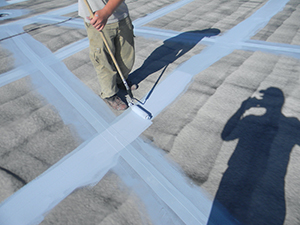
Roof coatings can be a practical restoration option for a commercial roof that is still suitable to remain in service. The decision should come from the roof’s condition, moisture findings, drainage, surface preparation needs, and compatibility with the proposed coating system rather than from age or appearance alone.
Golden Eagle Roofing provides commercial coating and restoration services throughout its Wisconsin service area. Call (608) 633-6719 to discuss whether an existing roof is a realistic coating candidate.
What Makes Roof Coatings Special

A compatible roof coating can create a continuous protective surface over an existing roof after the required repairs and preparation are completed. Golden Eagle’s commercial coating services provide additional background on coating-based restoration for commercial roofs.
Reflective coating systems may reduce the amount of solar heat absorbed at the roof surface. That does not guarantee a specific reduction in utility costs or HVAC service needs. Actual building effects depend on the roof assembly, insulation, HVAC operation, occupancy, climate, and the selected coating system.
Coating service life also varies. Roof condition, preparation, application, drainage, weather exposure, later repairs, and maintenance all affect how long a restored roof remains useful. A proposal should explain the selected system and its requirements rather than promise one lifespan for every building.
Is Coating the Right Call for Your Roof?
Restoration should be compared with targeted repair and replacement using the same condition evidence. A roof that is dry, structurally serviceable, compatible with the proposed coating, and able to drain as intended may be a reasonable restoration candidate. Broader deterioration or unresolved moisture can point toward a different scope.
| Condition | Coating May Fit When | Repair or Replacement Needs Review When |
|---|---|---|
| Moisture | The retained roof assembly is dry enough for the proposed restoration system and any isolated wet areas can be properly addressed. | Insulation is saturated, moisture is widespread, or the extent of concealed moisture remains uncertain. |
| Adhesion | The surface can be cleaned and prepared to meet the selected coating system’s adhesion requirements. | Contamination, weathering, prior materials, or surface conditions prevent reliable bonding without additional work. |
| Substrate condition | The membrane and supporting materials remain suitable to stay in service after required repairs. | Decking or other supporting materials are deteriorated, unstable, or require broad removal. |
| Drainage | The roof drains as intended and any localized drainage concerns are resolved before application. | Recurring ponding is caused by slope, settlement, blocked drainage, or another defect that coating will not correct. |
| Compatibility | The proposed coating, primer, repair materials, and existing roof or prior coating are compatible. | The existing membrane, prior coating, sealants, or repair history creates an unresolved compatibility question. |
A coating does not correct the cause of recurring ponding water, rebuild rotten decking, or dry saturated insulation. Those conditions need their own repair or replacement scope before coating should be treated as a viable restoration plan.
The Process
The coating process should begin with inspection and condition documentation. The contractor should identify the existing roof material, seams, flashing, penetrations, drainage, previous repairs, and any moisture or substrate concerns that still need investigation. If the roof is a restoration candidate, the written scope should identify the repairs and preparation required before coating begins.
Preparation can include cleaning, removal of loose or incompatible material, localized roof or flashing repairs, treatment of penetrations, and primers or adhesion checks when required by the selected system. The exact preparation should follow the roof that is actually present rather than a generic checklist.
Application should also follow the selected coating system’s requirements. Depending on the system, coating may be rolled, sprayed, or applied in specified passes. The project documents should identify suitable weather and surface conditions, coverage or thickness requirements, cure or recoat timing, and how those requirements will be checked during the work.
How the Finished Coating Should Be Accepted
Project acceptance should be based on the written scope and the coating system’s requirements, not appearance alone. Final review should confirm that required repairs were completed, transitions and penetrations were addressed, and the coated areas meet the specified coverage or thickness checks where those checks apply.
Thin, missed, damaged, or otherwise unacceptable areas should be corrected before the project is treated as complete. The owner should also receive any relevant closeout information and know whether a later follow-up inspection is recommended. Golden Eagle’s commercial roof restoration guidance provides additional context on preparation, moisture limits, application evidence, and closeout documentation.
When Coating Is Not the Right Answer
Coating should not be used to hide active leaks, saturated insulation, rotten decking, unresolved drainage defects, or widespread deterioration that makes the existing roof unsuitable to remain in service. Localized defects may need repair first, while broader failure can justify a replacement assessment.
The practical decision is to compare coating, repair, and replacement using the same evidence: moisture, adhesion, substrate condition, drainage, compatibility, repair history, and the written scope for each option.
Roof Coating Evaluation
If your commercial roof is weathered and you are considering restoration, contact Golden Eagle Roofing at (608) 633-6719. The right next step is the one supported by the roof’s actual condition, not a generic recommendation.
Frequently Asked Questions
Will a roof coating fix ponding water?
No. A coating does not correct the underlying slope or drainage condition that causes recurring ponding, so that problem needs separate evaluation and correction.
Can coating be applied over saturated insulation or rotten decking?
No. Wet insulation and deteriorated decking need their own repair or replacement scope before restoration is considered.
Does a reflective roof coating guarantee lower energy bills?
No. Reflectivity may reduce roof-surface heat absorption, but building energy results depend on the complete roof assembly, insulation, HVAC operation, occupancy, climate, and coating system.
What should be checked after a roof coating is applied?
Compare the finished work with the written scope and system requirements, including completed repairs, coverage or thickness checks where applicable, corrections, and follow-up recommendations.