
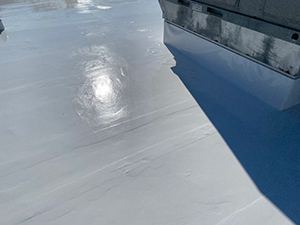
Choosing a roofing contractor for a commercial restoration project is a significant decision, and it helps to know what to verify before work begins. Golden Eagle Roofing serves commercial roofing clients in Wisconsin and lists commercial repair, restoration, replacement, inspection, and maintenance among its services. If your building is in Tomah, WI, call (608) 633-6719 to discuss the roof and whether restoration should be evaluated.
What to Verify Before a Commercial Roof Restoration
A roofing company’s track record is worth checking, but the restoration plan itself should carry most of the weight. Ask what roof conditions were found, what preparation is required, how the existing membrane or substrate affects product choice, how moisture will be evaluated, what coating thickness is specified, and what documentation you will receive at closeout. It is also reasonable to ask for references or examples of prior commercial work. Golden Eagle Roofing maintains a commercial project gallery that can help owners review the type of work the company performs.
The written scope should separate confirmed roof conditions from assumptions. A restoration proposal is stronger when it identifies the areas being treated, notes any repairs that must happen first, explains what could make the roof unsuitable for restoration, and states which conditions might change the price or schedule after work begins.
Process of Commercial Roof Restoration
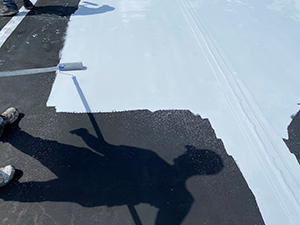
A commercial roof restoration should begin with an inspection that determines whether the roof is a suitable candidate. The proposal should explain how existing damage, drainage, wet insulation or substrate concerns, and other conditions affect eligibility. If moisture is suspected, ask how it will be checked and what conditions would require drying, repair, removal, or another approach before coating begins.
Confirm Surface Preparation and Membrane Compatibility
Preparation should be specific to the existing roof rather than described only as cleaning. The contractor should identify the roof material, note repairs or contaminants that must be addressed, and explain what preparation the proposed coating system requires. A coating system that works on one membrane or substrate may require different primers, repairs, adhesion checks, or other preparation on another.
The proposed coating system should be compatible with the existing roof material and supported by the product manufacturer’s requirements for that substrate. Ask what primer, cleaning, repair, or adhesion testing is required before application. If the plan does not identify the existing roof material or the preparation needed for it, ask for that information before approving the project.
Ask How Moisture Limits Will Be Handled
Surface appearance alone does not establish that the roof is dry enough for restoration. Moisture can be present below the visible surface, and wet insulation or deteriorated substrate can change the repair scope. The restoration plan should explain how suspected moisture will be evaluated and what findings would prevent coating from proceeding over a particular area.
If testing or exploratory openings are needed, the owner should understand who authorizes that work, how affected areas will be documented, and how any wet or damaged materials will be handled. The goal is not to assume every roof needs invasive testing, but to make sure moisture concerns are addressed when the visible condition or leak history warrants it.
Verify Coating Thickness and Application Evidence
Coating thickness matters because liquid-applied systems are designed around a specified application rate or finished thickness. The proposal should state the requirement for the chosen system and explain how the contractor will verify application during the work. Wet-film measurements are one common quality-control method, but the correct verification approach depends on the product and manufacturer requirements.
Owners should also ask how weather and curing conditions affect the schedule. Application and cure requirements can vary, so the project team should follow the instructions for the specific coating rather than relying on a generic timeline. If multiple coats are required, the scope should make that sequence clear.
Require Clear Handover Documentation
Before closeout, the owner should receive a clear handover record. That can include the coating product and system used, approved repairs or change orders, application or thickness documentation when required, photographs, warranty paperwork if applicable, and any maintenance or inspection obligations.
A final walkthrough should also confirm that drains, roof access points, penetrations, rooftop equipment areas, and the surrounding property are left in acceptable condition. Keep the closeout records with the building’s roof history so a future facility manager or contractor can see what was installed and what ongoing care is required.
Commercial Roof Restoration in Tomah, WI
If replacement has been recommended, a restoration assessment can help determine whether the existing roof is still a viable candidate for a coating-based system. Restoration is not appropriate for every roof, so the decision should be based on current conditions, compatibility, moisture findings, and the documented scope. For a commercial property in Tomah, WI, contact Golden Eagle Roofing at (608) 633-6719 to discuss the next appropriate step.
Frequently Asked Questions
How do you know if a roof is ready for a coating?
The restoration plan should explain how moisture concerns and substrate condition will be evaluated before coating begins. Wet or damaged areas may need drying, repair, removal, or another treatment first.
Does every coating work with every roofing membrane?
No. The proposed coating system should be compatible with the existing membrane or substrate and follow the product manufacturer’s preparation and application requirements.
How should coating thickness be verified?
The project documents should state the specified application rate or thickness and how it will be checked. Wet-film measurements are one common quality-control method for liquid-applied coatings.
What should I receive when the restoration is complete?
Keep closeout documentation for the installed system, completed repairs, applicable warranty information, photographs or thickness records when provided, and any ongoing maintenance or inspection requirements.