A Foam Roof Can Last 20+ Years in Eau Claire — If You Avoid These Common Mistakes
A foam roof is a tough, insulating roof system for flat and low-slope buildings. Crews spray liquid foam onto the roof. The foam expands, hardens, and forms a continuous layer. Then a protective coating goes on top.
In Eau Claire, roofs deal with deep snow, freezing nights, hot summer sun, and hard spring rain. A properly installed and maintained foam roof can provide 20 years or more of service. But common mistakes can shorten that life. If you want to see how this roof is put on from start to finish, read our guide to Spray Foam Roofing Eau Claire, WI.
Below are nine common mistakes that can affect a foam roof in Eau Claire, WI. For each one, you will learn what it does to your roof and how a pro addresses it. Need help today? Call Golden Eagle Roofing at (608) 633-6719.
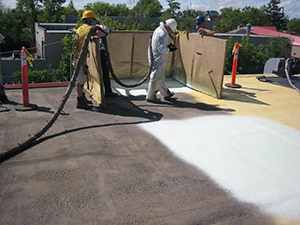
How a Foam Roof Works: Two Layers, Two Jobs
Every foam roof has two main parts. Knowing them makes every mistake below easy to understand.
- The foam layer. This is spray polyurethane foam (SPF). It helps reduce heat transfer in winter and summer. It can also be shaped during installation to help direct water toward drainage outlets.
- The coating layer. This is a protective coating, often silicone, acrylic, or urethane. Its thickness is measured in mils, or thousandths of an inch. The coating protects the foam from sunlight and weather.
Foam cannot remain exposed to the sun. Sunlight damages bare foam, causing discoloration and surface deterioration. Keeping the coating intact is essential, but flashing, drainage, and the condition of the underlying roof also matter. Many foam roof problems begin when the coating gets thin, cracked, or broken.
9 Foam Roof Mistakes Eau Claire Owners Should Avoid
1. Hiring a Crew With No Foam Experience
Spraying foam takes skill. The foam must go on at the specified thickness, within the product’s application conditions, and on a clean, dry, suitable surface. If it is too cold or damp, the foam may not adhere or cure properly. A rough or irregular surface can also make coating application and maintenance harder.
The fix: Ask any roofer how many foam roofs they have completed. Ask how thick the foam will be and how many mils of coating they plan to use. A qualified crew should explain the proposed system clearly.
2. Spraying Foam Over a Wet or Damaged Roof
Old roofs can hide wet insulation or damaged decking. Foam sprayed over those problems can trap moisture inside. Over time, the deck can deteriorate and the new roof can blister or lose adhesion.
The fix: Assess moisture and substrate condition before installation. Depending on the roof, this may involve a moisture survey and carefully located core samples to confirm hidden conditions. Wet materials and damaged decking need to be addressed before foam is applied.
3. Letting the Coating Wear Thin
The coating weathers over time from sun, snow, and rain. Watch for these signs:
- A chalky powder comes off the surface
- The coating looks faded or worn
- Tan or brown foam shows through
- Small cracks appear in the coating
The fix: A pro evaluates the coating, cleans the roof, repairs damaged areas, and applies a compatible recoat when appropriate. Recoating intervals depend on the product, applied thickness, exposure, and condition. Follow inspection findings and manufacturer guidance rather than waiting for a fixed number of years. Recoating a suitable roof often costs less than replacement.
4. Ignoring Ponding Water
Water still sitting on the roof about 48 hours after rain deserves attention. It adds weight and can damage coatings that are not rated for persistent ponding. In Eau Claire, repeated freezing and thawing can make existing defects worse.
The fix: A pro identifies why the water stays. The cause may be blocked drainage, a low spot, or inadequate slope. Depending on the roof, corrections may include drainage repairs, properly designed tapered foam, or crickets that steer water around rooftop units. Structural movement or deck problems need separate evaluation.
5. Ignoring Flashing and Roof Edges
Flashing seals transitions where the roof meets a wall, vent, pipe, or rooftop unit. Movement at these details can cause cracks or separation. Water can enter at the edges even when the main roof surface looks sound.
The fix: Inspections should include accessible edges, corners, and roof penetrations. Loose or cracked details need repairs compatible with the foam and coating system. Applying more coating alone will not correct every flashing problem.
6. Cleaning With a Pressure Washer or Stiff Brush

Excessive water pressure and hard scrubbing can strip off the coating or damage the foam below. Once bare foam is exposed, sunlight begins to damage it.
The fix: Follow the coating manufacturer’s cleaning instructions, including approved cleaners, tools, and water-pressure limits. Leave rooftop cleaning to trained professionals who can protect both the roof surface and the people working on it.
7. Walking on the Roof Without Care
Foam is firm, but it can dent. Concentrated loads from ladders, equipment, and dropped tools can crush foam or crack the coating. Repeated rooftop service traffic can also cause damage.
The fix: Limit roof access to authorized, trained people. Compatible walkway protection can help protect routes to rooftop equipment. Its design and installation should suit the foam roofing system.
8. Leaving Small Holes and Cracks Alone
Hail, falling branches, birds pecking at the roof, and sharp tools can damage the surface. Openings can let moisture into the roof system. A small defect can become a larger repair if it is left untreated.
The fix: A pro checks the extent of the damage and removes wet or deteriorated foam where needed. Repairs use compatible foam or approved repair materials, followed by restoration of the protective coating. The repair method and time required depend on the damage.
9. Skipping Regular Inspections
Many problems are easier to fix when they are small. Without inspections, they may go unnoticed until there is a leak inside.
The fix: Have the roof checked twice a year and after severe storms, following any additional manufacturer requirements. An inspection should consider coating condition, exposed foam, blisters, flashing, drainage, and details around vents and rooftop units.
What a Professional Foam Roof Fix Looks Like
A professional foam roof repair should match the roof’s condition and the selected system’s requirements. Depending on the findings, the work may include:
- Inspect. Assess accessible coating, foam, drains, and flashing.
- Evaluate moisture. Investigate signs of wet foam or underlying materials, using appropriate testing where needed.
- Clean. Remove dirt and loose material using methods approved for the roof and coating.
- Repair. Address damaged foam, openings, flashing defects, and the causes of persistent ponding.
- Recoat. Restore the protective coating over repaired areas or recoat the roof when its condition calls for it.
- Document. Record the findings and completed work. The proposal should identify the photos, notes, and maintenance information included.
Not every repair needs a full-roof recoat. The scope should address the actual damage and any conditions that could cause it to return.
Get Help With Your Foam Roof in Eau Claire, WI
A foam roof can give your building decades of insulation and weather protection. The key is a good installation, a healthy coating, clear drains, and prompt repairs. Skip those, and even a well-designed roof can fail early.
Not every roof in Eau Claire needs to be replaced. Some older metal roofs can be restored after necessary repairs and preparation, using a compatible coating system. Learn how that works on our Metal Roof Restoration Eau Claire, WI page.
Golden Eagle Roofing provides foam roofing services in Eau Claire, Wisconsin. Call (608) 633-6719 to discuss your roof’s condition and schedule an inspection.
FAQs
How often should a foam roof be inspected?
A foam roof should generally be inspected twice a year, in spring and fall, and after severe weather. Follow any additional inspection requirements from the roofing manufacturer.
What are common signs that a foam roof needs maintenance?
Look for cracks, small holes, chalky or worn coating, exposed foam, blisters, and water that remains more than two days after rain. Have a roofing professional assess these conditions.
Can a foam roof be repaired without replacing the entire system?
Yes. Localized damage can often be repaired without replacing the entire roof, provided the surrounding foam and underlying materials are sound. The repair may involve removing damaged material, restoring the foam, and applying a compatible protective coating.
How long does a foam roof last in Eau Claire, WI?
A properly installed and maintained SPF roof can provide 20 years or more of service. Periodic repairs and recoating can extend its useful life, but no roof lasts indefinitely under every condition. Substrate condition, moisture, weather exposure, and maintenance all affect longevity.
Is a foam roof a good choice for Wisconsin winters?
It can be. Foam provides insulation and a continuous roof surface. Winter performance also depends on suitable coating, sound flashing, drainage, proper installation, and the building’s ability to support snow loads.
Can snow and ice damage a foam roof?
Yes. Heavy snow adds structural load, ice can block drainage, and snow-removal tools can damage the coating and foam. If snow removal is needed, use trained professionals with methods appropriate for the roof system. Avoid scraping down to the coating.