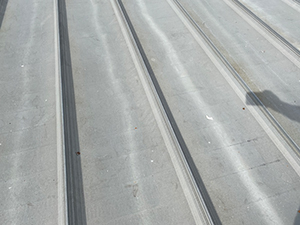
A metal roof coating can be a practical restoration option when the existing commercial roof is still structurally sound and the conditions underneath the surface support coating. It is not an automatic substitute for repair or replacement. Golden Eagle Roofing provides commercial coating and metal-roof restoration services throughout its Wisconsin service area. Call (608) 633-6719 to discuss whether your roof is a suitable candidate.
The Benefits of a Metal Roof Coating
When the existing roof qualifies, a coating creates a continuous protective surface over the prepared metal roofing. That can help reduce exposure at repaired seams, fasteners, and weathered areas while extending the useful service of the existing roof. Golden Eagle’s commercial coating services provide broader context on restoration as an alternative to immediate replacement.
Reflective coatings can also reduce solar heat absorbed at the roof surface. That may affect rooftop temperatures and cooling demand, but actual energy savings depend on the building, insulation, HVAC operation, climate, and coating system. A reflective surface should not be presented as a guaranteed reduction in utility costs.
Service life also varies. The roof’s starting condition, preparation, coating system, application quality, drainage, weather exposure, maintenance, and later repairs all affect how long a restoration remains useful. A proposal should explain the system being applied and the conditions needed for it to perform rather than promise a fixed number of additional years.
Is the Existing Metal Roof a Sound Restoration Candidate?
The decision should come from inspection evidence, not from roof age or the presence of one leak. Golden Eagle’s metal roofing systems guidance discusses common failure points such as seams, fasteners, corrosion, and surface damage. For a coating project, those conditions should be reviewed together with moisture, adhesion, substrate condition, drainage, and compatibility.
| Condition | Coating May Fit When | Repair or Replacement Needs Review When |
|---|---|---|
| Moisture | The retained roof assembly is dry enough for the proposed restoration system. | Insulation is saturated or moisture extends beyond an isolated area. |
| Adhesion | Cleaning, preparation, and any required adhesion checks support a reliable bond. | Heavy corrosion, contamination, loose existing coatings, or another surface condition prevents reliable adhesion. |
| Substrate condition | Panels, fasteners, decking, and supporting materials remain serviceable after required repairs. | Panels have failed structurally or rotten decking requires removal and correction. |
| Drainage | Water sheds as intended or required drainage corrections are included separately in the scope. | Ponding is caused by a slope, outlet, or drainage defect that coating alone will not correct. |
| Compatibility | The proposed coating and preparation method are compatible with the existing metal finish and prior materials. | Existing finishes, sealants, or prior coatings conflict with the proposed restoration system. |
A coating does not correct a ponding-water drainage defect, dry saturated insulation, rebuild rotten decking, or make failed structural components sound. Those conditions need their own repair or replacement scope before coating can be treated as a viable restoration plan.
Preparation and the Coating Process

Preparation begins after the roof is confirmed as a candidate. Dirt, loose material, oxidation, and other contaminants have to be addressed so the selected system can bond to the roof. Required pre-coating repairs should also be completed first, including any seams, fasteners, penetrations, flashing, or localized metal damage identified in the approved scope.
Application should follow the requirements of the selected coating system rather than a one-size-fits-all method. Depending on the product and roof, the coating may be sprayed, rolled, or otherwise applied in specified passes. The proposal should identify preparation requirements, application conditions, coverage or thickness targets, and how those requirements will be checked during the work.
Acceptance should include a final inspection of repaired details, transitions, penetrations, and the coated field of the roof. Thin, missed, damaged, or otherwise unacceptable areas should be corrected before the project is treated as complete. The owner should also know whether a later follow-up inspection is recommended and what maintenance could affect the restored roof.
Other Services
Sometimes inspection evidence shows that coating is not the right path. Localized defects may call for repair first, while broader deterioration can make replacement or a more extensive restoration scope appropriate. Golden Eagle’s commercial metal roof restoration information provides additional context for comparing those options without assuming coating is suitable for every aging metal roof.
Metal Roof Coating Evaluation
If your commercial metal roof has weathered surfaces, recurring seam or fastener concerns, corrosion, or another condition that needs evaluation, Golden Eagle Roofing can help determine whether coating, repair, or a broader roofing scope is appropriate. Call (608) 633-6719 to discuss the roof condition and the evidence needed before restoration is approved.
Frequently Asked Questions
Will a metal roof coating fix a drainage problem?
No. Coating does not correct a slope, outlet, or drainage defect that causes water to remain on the roof.
Can coating be applied over saturated insulation or rotten decking?
No. Saturated insulation and rotten decking need their own repair or replacement scope before coating can be considered appropriate.
How long will a metal roof coating last?
There is no single service-life number that fits every project. Roof condition, preparation, coating system, application, drainage, weather exposure, and maintenance all affect performance.
What should be checked after a metal roof coating is applied?
Final inspection should review repaired details, coverage, transitions, penetrations, and any areas that need correction before the work is accepted.