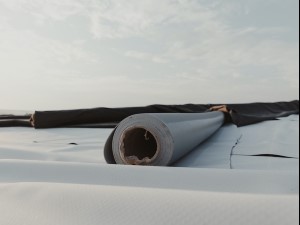
 In Sparta, WI, commercial property owners often face unpredictable weather conditions that can place significant stress on roofing systems. Heavy rain, hail, high winds, and fluctuating temperatures all contribute to roofing wear over time. Because of these challenges, many businesses are investing in TPO roofing due to its durability and weather-resistant properties. For building owners in Sparta, WI seeking reliable commercial roofing solutions, Golden Eagle Roofing can provide guidance and support at 608-633-6719 for roofing systems designed to perform during severe storm seasons.
TPO roofing, or thermoplastic polyolefin roofing, has become one of the most widely used commercial roofing systems in the United States. Known for its reflective surface, flexibility, and strong seam performance, TPO roofing is engineered to withstand harsh environmental conditions while helping improve energy efficiency.
How Weather Resistant Is TPO Roofing During Storm Season?
The durability of TPO roofing comes from a combination of material composition and installation methods. Commercial building owners benefit from understanding how these systems are built to resist weather-related problems.
Heat-Welded Seams Create Strong Waterproof Protection
One of the biggest advantages of TPO roofing is its heat-welded seams. During installation, roofing professionals use specialized equipment to fuse membrane seams together. This creates a watertight bond that is often stronger than the membrane itself.
Unlike adhesive-based systems that may weaken over time, welded seams are highly resistant to moisture intrusion during heavy rainstorms. This feature helps reduce the likelihood of leaks developing after severe weather events.
Flexibility Helps Handle Temperature Changes
Commercial roofs expand and contract as temperatures fluctuate throughout the year. TPO roofing remains flexible even during temperature swings, allowing it to adapt without cracking or splitting.
In climates like Sparta, WI, where seasonal temperature shifts are common, this flexibility helps protect the roof membrane from premature wear caused by thermal movement.
Resistance to UV Rays and Chemical Exposure
TPO roofing is designed to resist ultraviolet radiation and certain chemical contaminants that may settle on commercial rooftops. Constant sun exposure can weaken many roofing materials, but TPO membranes are engineered to maintain performance under prolonged UV exposure.
This resistance contributes to a longer service life and helps preserve the roof’s protective qualities during storm season.
How TPO Roofing Performs During High Winds and Heavy Rain

Storm season often brings strong winds and large amounts of rainfall that can test the integrity of commercial roofing systems.
Wind Uplift Resistance
TPO roofing systems are typically installed using mechanically fastened or fully adhered methods. When properly installed, these systems offer strong resistance against wind uplift forces.
Manufacturers often test TPO roofing under simulated extreme wind conditions to ensure it meets commercial performance standards. Reinforced membranes and secure attachment systems help prevent membrane separation during storms.
Water Drainage and Leak Prevention
Flat and low-slope commercial roofs are vulnerable to ponding water if drainage systems fail. TPO roofing membranes are designed to shed water efficiently when paired with properly designed drainage systems.
The smooth membrane surface minimizes water absorption and reduces the risk of moisture penetration, even during extended rainfall events.
Hail Impact Durability
Although no roofing system is completely immune to hail damage, many TPO products are manufactured with reinforced layers that improve puncture resistance. Thicker membranes often provide better protection against hail impacts and debris during storms.
Commercial property owners may choose reinforced TPO systems for buildings located in areas prone to severe weather activity.
Maintenance Practices That Improve Storm Resistance
Even highly durable roofing systems require maintenance to maximize weather resistance and lifespan.
Keep Drains and Gutters Clear
Blocked drains can lead to standing water, which increases stress on the roofing membrane. Routine cleaning helps maintain proper water flow during storms.
Monitor Seams and Flashing
Seams, flashing, and rooftop penetrations should be checked periodically for signs of wear or separation. Early repairs help prevent larger storm-related issues later.
Address Minor Damage Quickly
Small punctures or membrane tears can worsen during severe weather if left untreated. Prompt repairs help preserve the roof’s overall performance.
Consistent maintenance ensures that TPO roofing remains capable of protecting commercial buildings throughout storm season.
TPO Roofing Experts
In Sparta, WI, commercial building owners looking for dependable TPO roofing solutions can turn to Golden Eagle Roofing for experienced roofing support and storm-resistant roofing systems. To learn more about protecting your commercial property during storm season, contact Golden Eagle Roofing at 608-633-6719 today.
FAQ
Is TPO roofing suitable for areas with severe storms?
Yes, TPO roofing is designed to resist heavy rain, wind uplift, and temperature fluctuations common during storm seasons.
How does TPO roofing prevent leaks?
Its heat-welded seams create strong waterproof barriers that reduce the chance of water intrusion.
Can TPO roofing handle hail damage?
Reinforced TPO membranes offer improved puncture resistance against hail and storm debris.
Does TPO roofing improve energy efficiency?
Yes, the reflective membrane surface helps reduce heat absorption and lowers cooling demands.