
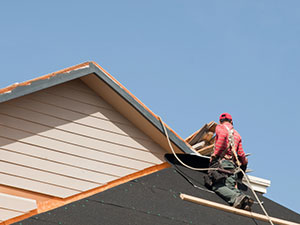
Severe weather can put tremendous stress on any roofing system, making residential roofing one of the most important aspects of protecting your home. Homeowners in Holmen, WI regularly experience strong winds, heavy rain, hail, and seasonal temperature swings that can quietly damage roofs even when problems aren’t immediately visible. If your home has recently experienced a storm, scheduling a professional assessment with Golden Eagle Roofing at 608-633-6719 helps homeowners in Holmen, WI identify hidden issues before they turn into expensive repairs.
Many roofing problems begin subtly. By understanding the warning signs of storm-related damage, homeowners can act quickly and prevent long-term structural concerns.
Residential Roofing Warning Signs After a Storm
After a storm passes, a visual inspection from the ground can often reveal early warning indicators that your residential roofing system may need professional attention.
Missing or Damaged Shingles
High winds frequently loosen or remove shingles, exposing the underlayment beneath. Even a few missing shingles can allow water to penetrate the roof structure. Homeowners should look for:
- Shingles scattered in the yard
- Curling or lifted edges
- Cracked or broken surfaces
- Dark patches where granules have worn away
Granule loss is especially important because these particles protect shingles from UV exposure and premature aging.
Impact Marks from Hail
Hail damage may not always be obvious. Small dents or bruises on shingles can weaken the material and reduce waterproof protection over time. Metal vents, gutters, and flashing often show impact marks first, serving as clues that roofing materials were also affected.
Debris Accumulation
Branches, leaves, or other debris left behind after storms can trap moisture against roofing materials. Prolonged moisture exposure accelerates deterioration and increases the likelihood of leaks.
Interior Warning Signs Homeowners Should Never Ignore
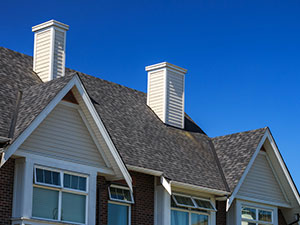
Storm damage isn’t always visible outside. In many cases, the first signs appear inside the home days or weeks later.
Water Stains and Discoloration
Ceiling stains or peeling paint often signal water intrusion. Even small discoloration spots may indicate moisture traveling through insulation or attic spaces.
Increased Energy Bills
Damaged residential roofing can compromise ventilation or insulation performance. If your heating or cooling system suddenly struggles to maintain indoor temperatures, storm-related roof damage could be a contributing factor.
Attic Moisture or Mold Odors
After heavy rain, homeowners should check the attic for damp insulation, musty smells, or visible mold growth. These issues suggest hidden leaks that require immediate professional evaluation.
Why Early Residential Roofing Repairs Matter
Delaying roof repairs following a storm can lead to significantly higher costs. Water infiltration rarely stays localized; instead, it spreads into decking, framing, and interior finishes.
Timely action offers several benefits:
Prevents Structural Damage:
Addressing small leaks early protects rafters, ceilings, and walls from long-term deterioration.
Protects Indoor Air Quality:
Moisture buildup encourages mold growth, which can impact respiratory health.
Maintains Property Value:
A well-maintained roof enhances curb appeal and reassures potential buyers should you sell your home.
Supports Insurance Claims:
Documented storm damage inspections help homeowners file accurate insurance claims and avoid disputes.
Professional roofing contractors understand how to identify storm damage patterns that homeowners might overlook.
Preventative Steps After Severe Weather
While professional inspections are essential, homeowners can also take simple preventative measures following storms.
- Walk around your property and photograph visible damage
- Check gutters and downspouts for clogging or dents
- Remove large debris safely from accessible areas
- Monitor ceilings and attic spaces for changes over time
Avoid climbing onto the roof yourself, as wet or damaged roofing surfaces can be dangerous. Certified roofing professionals have the equipment and training necessary to evaluate conditions safely.
In regions like Holmen, where storms and seasonal weather changes are common, proactive maintenance significantly extends residential roofing lifespan.
Long-Term Residential Roofing Protection
Storm preparedness doesn’t end with repairs. Homeowners should consider how roofing materials, ventilation systems, and drainage design contribute to long-term durability.
Modern residential roofing solutions often include improved impact-resistant shingles, enhanced waterproof underlayments, and better ventilation systems that reduce moisture buildup year-round. Investing in quality materials and professional installation helps homes withstand future weather events more effectively.
Routine maintenance, combined with prompt post-storm evaluations, ensures that minor damage never escalates into major repairs or premature roof replacement.
Residential Roofing Professionals
Protecting your home starts with recognizing storm damage early. For homeowners in Holmen, WI, professional residential roofing evaluations provide peace of mind and long-term protection against costly issues. If your property has recently experienced severe weather, contact Golden Eagle Roofing at 608-633-6719 to schedule an inspection and safeguard your home in Holmen, WI before hidden damage worsens.
FAQ
How can I tell if wind damaged my roof?
Look for missing shingles, lifted edges, or debris accumulation. Even minor wind damage should be professionally evaluated.
Does hail always cause immediate leaks?
Not always. Hail often weakens roofing materials first, with leaks developing later as the damage worsens.
Can small roof damage really lead to major problems?
Yes. Small openings allow moisture to spread beneath roofing layers, eventually affecting insulation and structural components.
Should I contact a roofer or insurance company first after storm damage?
Many homeowners begin with a professional roofing assessment to document damage before initiating an insurance claim.