
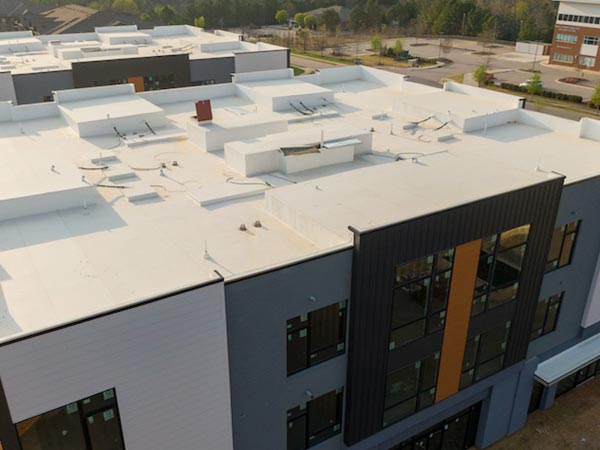
Commercial buildings in Stevens Point experience year-round weather that can gradually affect the condition of flat roofing systems. Heavy snow, spring moisture, summer heat, and seasonal storms all contribute to wear that is not always visible from the ground. Commercial roof inspections help building owners identify developing problems, document roof conditions, and make informed maintenance and repair decisions before damage becomes more extensive.
Call Golden Eagle Roofing at (608) 633-6719 for commercial roof inspections in Stevens Point, WI.
What Commercial Roof Inspections Include
Commercial roof inspections involve much more than a brief walk across the roof. The goal is to evaluate the condition of the roofing system, identify existing concerns, and document areas that may require future attention. A thorough inspection creates a clear picture of how the roof is performing and whether any maintenance or repairs should be scheduled.
Inspectors begin by examining the membrane for punctures, open seams, blisters, shrinkage, surface wear, and signs of aging. Flashing around HVAC equipment, vents, skylights, and parapet walls receives close attention because these areas experience frequent movement and are common locations for leaks. Roof drains, scuppers, and gutters are also checked to confirm they allow water to flow properly and are free from debris that could lead to ponding.
Interior observations may also be part of the process. Water stains, ceiling discoloration, or moisture around roof penetrations can provide additional evidence of roofing issues that may not be obvious from the exterior alone.
Commercial Roof Inspections Help Track Roof Performance
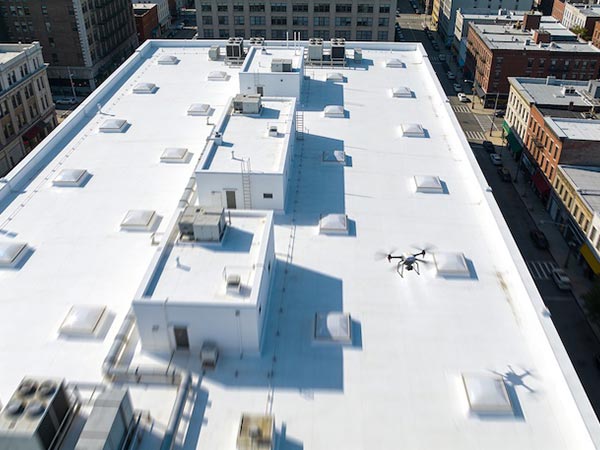
A single inspection provides valuable information, but regular commercial roof inspections allow building owners to monitor changes over time. Comparing inspection findings from year to year makes it easier to recognize developing trends before they become significant problems.
Weather in central Wisconsin can gradually affect roofing materials. Snow loads place additional stress on the roof during winter, while freeze-thaw cycles can widen small openings around flashing and seams. Summer sunlight and temperature changes also contribute to normal material aging. Routine inspections document these changes so maintenance can be scheduled before damage spreads.
Documentation and reporting are an essential part of every inspection. Building owners typically receive a written report that includes photographs, observations, roof condition summaries, and recommendations for maintenance or repairs. These records help support maintenance planning, budgeting, warranty documentation, and future replacement decisions.
Understanding Inspection Findings
Not every issue discovered during an inspection requires immediate replacement. Many findings involve routine maintenance or localized repairs that help preserve the existing roofing system. Small seam separations, loose flashing, clogged drainage systems, or isolated membrane damage can often be corrected before they develop into leaks.
Professional inspectors also evaluate whether previous repairs remain effective. Areas that have been patched in the past may require additional attention if surrounding materials have continued to age or move with seasonal temperature changes.
Roof condition assessments also help property managers prioritize projects. Some recommendations require prompt attention because they present an active risk, while others can be monitored and addressed during scheduled maintenance. Understanding this difference allows owners to make practical decisions based on documented roof conditions rather than assumptions.
Planning Ahead with Commercial Roof Inspections
Commercial roofing systems represent a significant investment, and reliable information helps protect that investment throughout its service life. Regular inspections reduce uncertainty by providing a clear understanding of current roof conditions and identifying maintenance opportunities before larger repairs become necessary.
Buildings benefit from inspections following severe weather events as well as routine annual or semi-annual evaluations. Keeping detailed inspection records also creates a valuable maintenance history that supports future repair or replacement planning.
For commercial roof inspections in Stevens Point, WI contact Golden Eagle Roofing at (608) 633-6719 today.
FAQ
What does a commercial roof inspector examine during an inspection, and how long does it take?
A commercial roof inspector examines the roofing membrane, seams, flashing, roof penetrations, drainage systems, rooftop equipment, and visible signs of wear or moisture intrusion. The inspection length depends on the size and complexity of the building, but many commercial inspections are completed within a few hours.
How often should a commercial building in central Wisconsin have its roof professionally inspected?
Most commercial buildings benefit from professional roof inspections at least twice each year, typically during the spring and fall. Additional inspections after severe storms, heavy snowfall, or hail events help identify weather-related damage before it worsens.
What kind of documentation or report should a building owner expect to receive after a commercial roof inspection?
A professional inspection report generally includes photographs, descriptions of observed conditions, identified problem areas, maintenance recommendations, and suggested repair priorities. This documentation helps building owners plan maintenance and track the roof’s condition over time.