
Metal roofing systems remain one of the most reliable choices for commercial buildings in and around Marshfield, WI. They are long lasting, lightweight, energy efficient, and durable enough to withstand Wisconsin’s severe winters and heavy snow loads. However, even the strongest roofs have areas that need attention.
Keeping your metal roofing system performing optimally is a specialty for Golden Eagle Roofing. Call 608-633-6719 today to schedule your consultation.
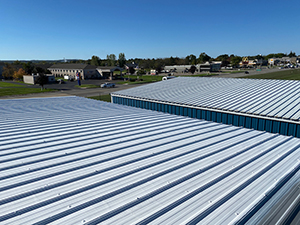
Common Failure Points on Metal Roofing Systems
When a metal roof fails, it usually happens at very predictable locations. Understanding these weak points helps building owners stay ahead of repairs and extend the life of their investment.
Below are the most common failure points on commercial metal roofing systems and what to watch for as your building ages.
Fasteners That Loosen Over Time
Metal roofing panels expand and contract as temperatures rise and fall. In climates where freeze thaw cycles are extreme, this movement is magnified. Fasteners gradually work themselves loose, creating small openings around the screw heads. Once these spaces appear, water begins to penetrate the fastener holes and leaks develop quickly.
Regular inspections can catch this early. A professional will tighten or replace worn fasteners, add upgraded fastener systems where needed, and apply sealant to vulnerable areas to prevent moisture infiltration. While it may seem minor, loose fasteners are one of the top causes of metal roof leaks nationwide.
Worn or Cracked Sealants
Sealants are used around trim, rake edges, vents, skylights, and other components to protect against wind driven rain. Over time, these sealants dry out and crack. Harsh UV exposure accelerates that process and sudden temperature shifts cause additional stress. When sealant failure occurs, moisture finds its way underneath panels and begins damaging insulation, decking, and interior surfaces.
Replacing degraded sealant is one of the most effective maintenance tasks for preserving the life of a metal roofing system. Commercial building owners who schedule seasonal inspections often avoid major problems by identifying sealant breakdown before it becomes a leak.
Improper Flashing Installation
Flashing protects the most vulnerable transitions on a metal roof. Areas where vertical walls meet rooflines, where HVAC units sit, or where pipes penetrate the roof, all rely on properly installed flashing. When flashing is not formed correctly or not secured with the right overlap, it becomes an unavoidable failure point.
Improperly installed flashing often leads to hidden leaks that may go unnoticed until interior staining or mold appears. It is one of the reasons commercial properties experience long term moisture issues even when the visible portions of the roof look healthy. Correcting flashing mistakes early prevents far more expensive structural damage down the road.
Panel Separation and Open Horizontal Seams
Metal panels are designed to interlock tightly. Over time, movement caused by temperature fluctuations and wind uplift can slowly cause separation at the seams. Horizontal seams on long panel runs are especially vulnerable. As gaps widen, wind driven rain can easily travel sideways under the roof panels.
If your building shows signs of blown open seams or exposed underlayment at panel joints, immediate repair is recommended. Professional crews can re secure panels, reinforce seam areas, or apply protective coatings that lock the seams into place.
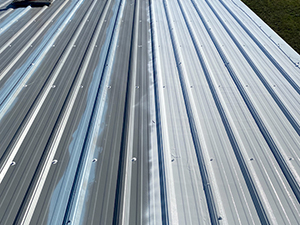
Rust and Surface Corrosion
Although modern metal roofing systems are engineered to resist corrosion, they are not immune to the effects of standing water, scratches, or neglected maintenance. Areas around fasteners and cut edges are the first to show rust. If corrosion is not treated quickly, it will expand and eventually compromise structural integrity.
Commercial owners should look for any change in color around panel edges, as well as bubbling paint or areas that seem rough to the touch. These small signs indicate the start of corrosion. Proper cleaning, rust inhibitors, and protective coatings keep minor issues from growing into serious failures.
Poor Installation
Many metal roofing problems have nothing to do with age. They stem from improper installation when the system was first installed. Common installation errors include:
- Misaligned panels
- Incorrect fastener placement
- Insufficient underlayment
- Lack of ventilation
- Unsealed laps
- Over tightened fasteners
A metal roof can only perform as well as the team that installed it. For this reason, choosing a qualified commercial roofing contractor is one of the most important decisions a building owner can make.
Protecting Your Metal Roofing System
If your building shows signs of leaks, rust, seam separation, or fastener movement, now is the best time to address it. Golden Eagle Roofing provides expert commercial metal roof inspections, repair solutions, and long term maintenance programs designed for Marshfield area properties.
Schedule an inspection today at 608-633-6719 and keep your metal roofing system performing at its best.
FAQ
What are the earliest signs that a metal roofing system is beginning to fail?
Early indicators include loose fasteners, small rust spots, staining on interior ceilings, and sealant that appears dried out or cracked. Detecting these issues at the beginning stages helps prevent larger and more costly problems.
Can coatings restore an aging metal roof that has multiple weak points?
In many cases, yes. Elastomeric coatings or spray foam systems can seal seams, encapsulate rust, and reinforce fastener areas. A full inspection is needed to determine whether coating or repair is the best long term solution.
Does rooftop foot traffic make metal roofing systems more vulnerable to failure?
Yes. Foot traffic can dent panels, distort seams, and crush ribs, which leads to weakened structural performance and premature leaks. Limiting access to only necessary personnel and using designated walk pads helps protect the roof.