
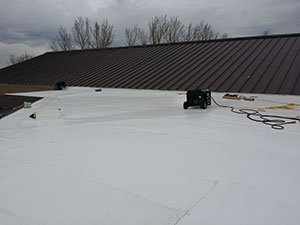
Roofing systems are not defined by a single material or surface layer. They are complete assemblies designed to manage water, control temperature, and protect the structure beneath from long-term exposure.
At Golden Eagle Roofing, we work with commercial roofing systems throughout Sparta, Wisconsin, where snow loads, seasonal moisture, and temperature swings place added demands on roof design. For questions about roof systems or inspections, our team can be reached at 608-633-6719.
Key Components That Make Up Modern Roofing Systems
On commercial buildings, roofing systems are engineered to support large roof surfaces, manage complex drainage demands, and accommodate mechanical equipment and foot traffic. These systems focus on durability, load distribution, and long-term performance to protect the structure and maintain reliable operation over time.
Understanding the components that make up roof systems helps property owners recognize how performance depends on the entire system working together, not just the visible roof covering.
What Defines Roofing Systems
Commercial roofs go far beyond the surface materials alone. While membranes, metal panels, and coatings are essential components, they depend on multiple supporting layers to perform correctly. A complete commercial roofing system is designed to manage water drainage, control air movement, regulate heat transfer, and maintain structural stability over the long term.
In commercial applications, roof systems are engineered as fully integrated assemblies with defined performance standards for durability, weather resistance, and energy efficiency. Each layer works together to support building operations, protect interior assets, and deliver consistent performance across large roof areas and varying environmental conditions.
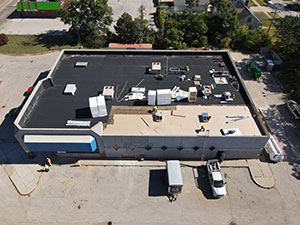
Structural Roof Decks as the Foundation of Roofing Systems
The roof deck forms the structural base of all roofs. It supports the weight of the roof assembly and transfers loads to the building structure. Commercial roof systems commonly use steel, concrete, or wood decks, while residential roof systems typically rely on plywood or oriented strand board.
The roof deck must:
- Provide consistent structural support
- Remain dry and securely fastened
- Allow proper attachment of insulation and membranes
If the deck is compromised, the roofing system above it cannot perform as intended.
How Insulation Functions Within Roofing Systems
Insulation plays a critical role in modern commercial roofing systems, particularly where energy efficiency and condensation control are key concerns. Proper insulation helps regulate interior temperatures, reduce energy loss, and minimize thermal stress on roofing materials.
Commercial roofs commonly incorporate multiple layers of rigid insulation to enhance performance, improve thermal resistance, and support long-term durability across large roof areas.
Waterproofing Layers Used in Roofing Systems
Waterproofing is the primary function of roofs. Commercial roofs typically rely on membranes such as single-ply, modified bitumen, or built-up roofing to create a continuous waterproof barrier. In contrast, residential roofs use underlayment beneath shingles or metal panels to provide secondary protection.
Effective waterproofing within roofing systems depends on:
- Proper material selection
- Continuous coverage without gaps
- Correct installation at transitions and penetrations
Failures often occur where waterproofing layers are interrupted or improperly detailed.
Flashing Components That Protect Roofing Systems
Flashing is one of the most critical components in roofing systems. It protects areas where the roof meets walls, penetrations, edges, and transitions. These locations experience the greatest movement and water exposure.
Flashing in a roof must:
- Direct water away from vulnerable areas
- Accommodate expansion and contraction
- Remain securely attached over time
Commercial roofs depend heavily on proper flashing to prevent leaks.
Drainage Design in Commercial Roofing Systems
Drainage is a defining feature of commercial roofs. Flat and low-slope roofs rely on internal drains, scuppers, or perimeter drainage systems to move water efficiently off the roof surface and prevent accumulation.
When drainage is inadequate, commercial roofs can experience serious issues such as ponding water, accelerated membrane deterioration, and increased structural loading. Proper drainage design and ongoing maintenance are essential to preserving roof performance and protecting the building structure over time.
Ventilation and Airflow in Residential Roofing Systems
Ventilation is a core component of residential roofing systems. Proper airflow helps regulate attic temperatures, reduce moisture buildup, and extend roof life.
Ventilation components commonly include:
- Ridge vents
- Soffit vents
- Exhaust vents
Without adequate ventilation, residential roofs are more likely to experience premature material failure and moisture-related issues.
Evaluating Roofing Systems for Long-Term Performance
Roofing systems must perform reliably through snow, rain, wind, and temperature extremes. At Golden Eagle Roofing, evaluating roofs in Sparta, WI means looking beyond surface materials to understand how each component contributes to overall durability and protection. Whether the project involves a commercial facility or a residential home, long-term performance depends on roofs being properly designed, installed, and maintained. For questions about roofing systems or component evaluations, call 608-633-6719.
FAQ
Can individual components of roofing systems be replaced without replacing the entire roof?
In some cases, yes. This depends on the roofing system type, component condition, and how integrated the assembly is.
Do commercial roofs last longer than residential roofs?
Lifespan varies based on materials, installation quality, maintenance, and environmental exposure rather than building type alone.
Is insulation always part of modern roofing systems?
Most modern roofs include insulation, though older buildings may require upgrades to meet current performance standards.
Why do leaks often occur at penetrations in roofing systems?
Penetrations interrupt waterproofing layers, making flashing design and installation especially important in those areas.