
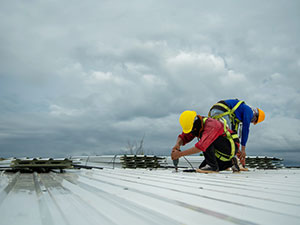
Roof maintenance on commercial buildings is not a surface-level task. It is a structured process designed to identify early wear, control water movement, and protect the roof system before small issues become expensive failures.
At Golden Eagle, we perform roof maintenance for commercial properties throughout Sparta, Wisconsin, where seasonal snow, freeze-thaw cycles, and heavy rainfall all place added stress on roofing systems. For questions about roof maintenance planning or inspections, our team can be reached at 608-633-6719.
Commercial Roof Maintenance Explained: What Gets Inspected and Why
Commercial roofs face heavier exposure than residential roofs due to size, foot traffic, drainage demands, and rooftop equipment.
Understanding what is inspected during commercial roof maintenance, and why each area matters, helps property owners and facility managers make informed decisions about protecting their buildings. This article walks through the key areas of maintenance and explains why each one is important.
Why Roof Maintenance Is More Complex on Commercial Buildings
Commercial roof maintenance differs from residential maintenance primarily because of roof design and usage. Flat and low-slope roofs manage water differently than steep residential roofs and often support HVAC units, vents, and service pathways.
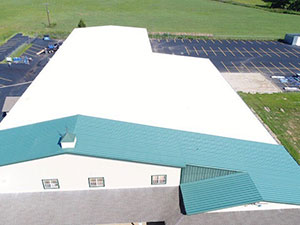
Key reasons maintenance requires a structured approach include:
- Larger roof surface areas
- Internal drains and scuppers instead of gravity shedding
- Frequent foot traffic from service crews
- Multiple penetrations and transitions
Each of these factors increases the number of potential failure points that must be monitored.
Inspecting the Roof Surface During Commercial Roof Maintenance
The roof surface is one of the first areas evaluated during maintenance. On commercial roofs, this may include membranes, coatings, or modified bitumen surfaces.
Inspectors look for:
- Tears, punctures, or surface wear
- Signs of UV degradation
- Areas of ponding water
- Previous repair integrity
Surface issues often indicate deeper problems below, making early detection critical.
Flashing and Penetrations as Key Roof Maintenance Focus Areas
Flashing protects the most vulnerable areas of a commercial roof, including edges, walls, curbs, and penetrations. These areas move more than open roof surfaces and are exposed to concentrated water flow.
During maintenance of a roof, flashing is inspected for:
- Separation or lifting
- Cracked or missing sealant
- Improper attachment
- Deterioration around penetrations
Many commercial roof leaks originate at flashing, even when the main roof surface appears intact.
Drainage Systems and Their Role in Roof Maintenance
Drainage is a central focus of commercial maintenance. Flat roofs rely on internal drains, scuppers, and downspouts to remove water efficiently.
Maintenance inspections evaluate:
- Blocked or restricted drains
- Standing water after rainfall
- Deteriorated drain bowls or strainers
- Improper slope toward drainage points
Poor drainage accelerates roof wear and increases structural load, especially during heavy rain or snowmelt.
Roof Maintenance Around Rooftop Equipment
Commercial roofs often support HVAC units, exhaust fans, and other mechanical equipment. These areas experience increased foot traffic and vibration.
Maintenance checks include:
- Condition of equipment curbs
- Sealant and flashing integrity
- Signs of membrane wear from service access
- Protection at walk paths
Unprotected equipment areas are among the most common sources of long-term roof damage.
Evaluating Seams and Attachment Points During Roof Maintenance
Many commercial roofing systems rely on seams, fasteners, or adhesives to maintain continuity. Over time, movement and temperature changes can stress these connections.
Maintenance inspections focus on:
- Seam separation or deterioration
- Loose fasteners
- Signs of wind uplift
- Adhesive failure
Addressing seam issues early helps preserve the roof system as a whole.
How Roof Maintenance Supports Long-Term Building Protection
Roof maintenance is not just about preventing leaks. It is about extending roof life, maintaining energy performance, and reducing unexpected repair costs. In Sparta, Wisconsin, Golden Eagle approaches maintenance as a proactive strategy rather than a reactive fix. Whether maintaining a commercial facility or a residential property, consistent inspections and targeted maintenance help ensure roofing systems perform as intended year after year. For questions about commercial or residential roof maintenance, Golden Eagle Roofing can be reached at 608-633-6719.
FAQ
How often should commercial roof maintenance inspections be performed?
Most commercial roofs benefit from inspections at least twice a year, typically in spring and fall, with additional checks after severe weather.
Does maintenance of a roof require shutting down building operations?
In most cases, no. Routine maintenance is conducted externally and does not disrupt normal building activities.
Is roof maintenance documented for future reference?
Yes. Maintenance inspections are typically documented to track roof condition, repairs, and long-term performance trends.
Can maintenance identify issues inside the roof assembly?
While maintenance focuses on visible components, signs such as recurring ponding or membrane distress can indicate deeper issues that require further evaluation.